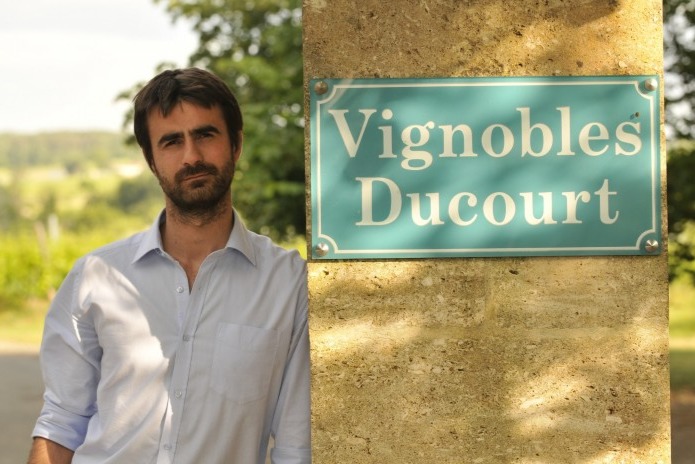
The Ducourt Family

France

Bordeaux

Bordeaux

Since the 1960s, the Ducourt family has built an exceptional portfolio of Entre-Deux-Mers estates, selecting prime terroirs of clay-limestone soils and gentle slopes. From Château Redon’s red varietals to the peaceful beauty of Château Briot, the sun-drenched vineyards of Château de Beauregard, and the elegant Merlot of Château Jaques Noir, each property reflects meticulous care and natural balance. Historic sites like Château La Rose du Pin and Château Le Gout d’Autrefois showcase the family’s passion for terroir, producing wines of harmony, finesse, and distinctive character.

Wines produced

Winery presentation

Owner / winemaker

Ducourt Family

Region

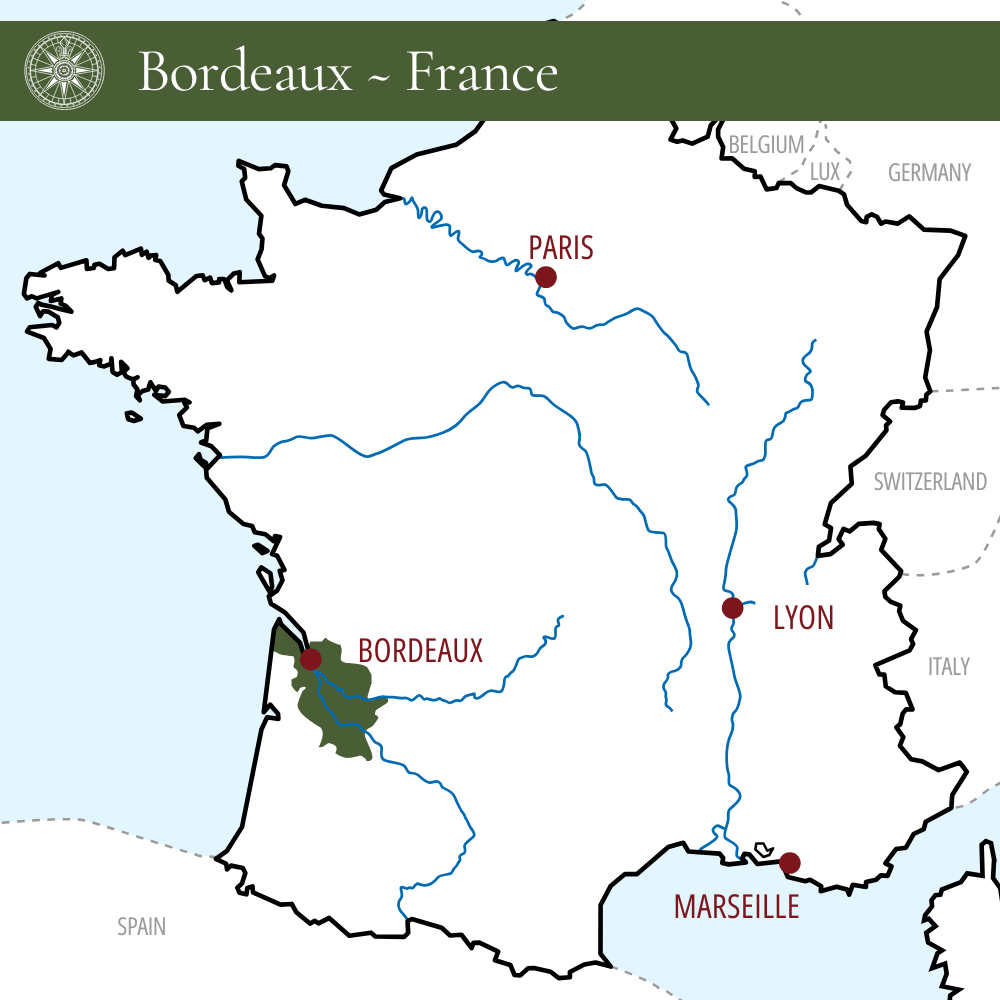
Bordeaux

Appellation

Bordeaux

Presentation

The chateau Redon : En 1967, Henri Ducourt bought several hectares of vines in the commune of Cessac. This estate is split across several hamlets, one of which, Redon, derives its name from the soft, curved shape of the land. ‘Redon’ means ‘round’ in the language of Occitan. The vineyard is planted only with red varietals on a clay-limestone terroir that is well-suited to making fine, full-flavoured wines.

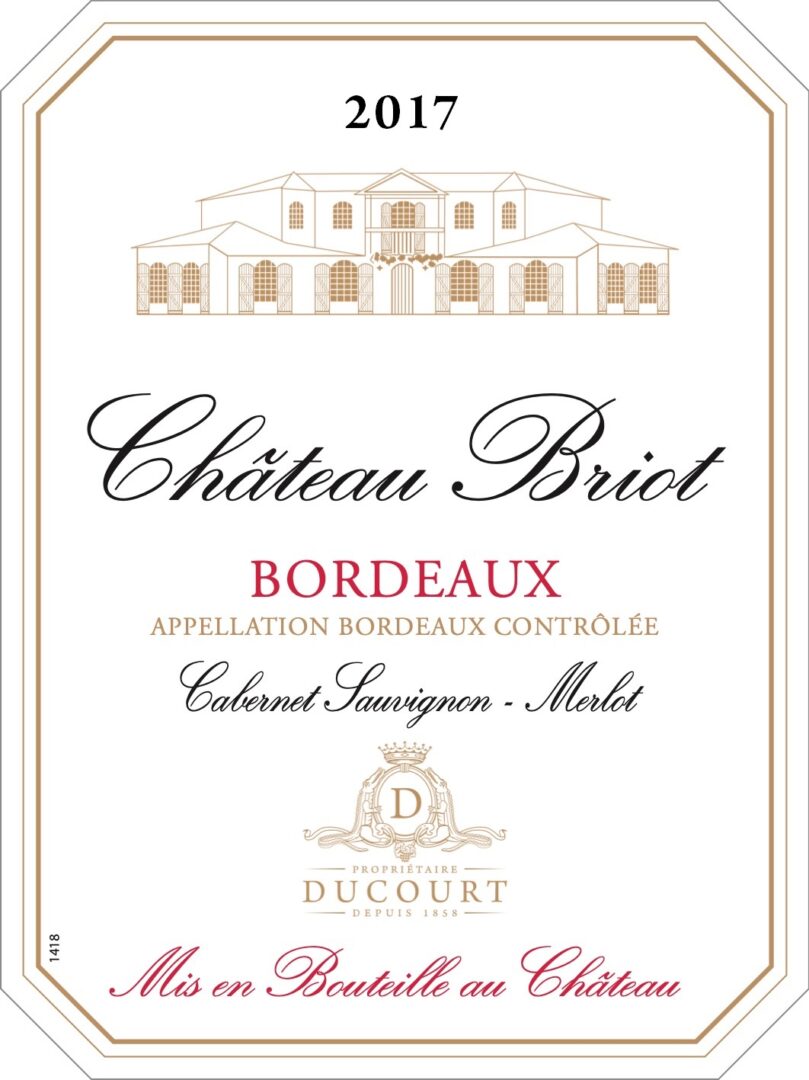
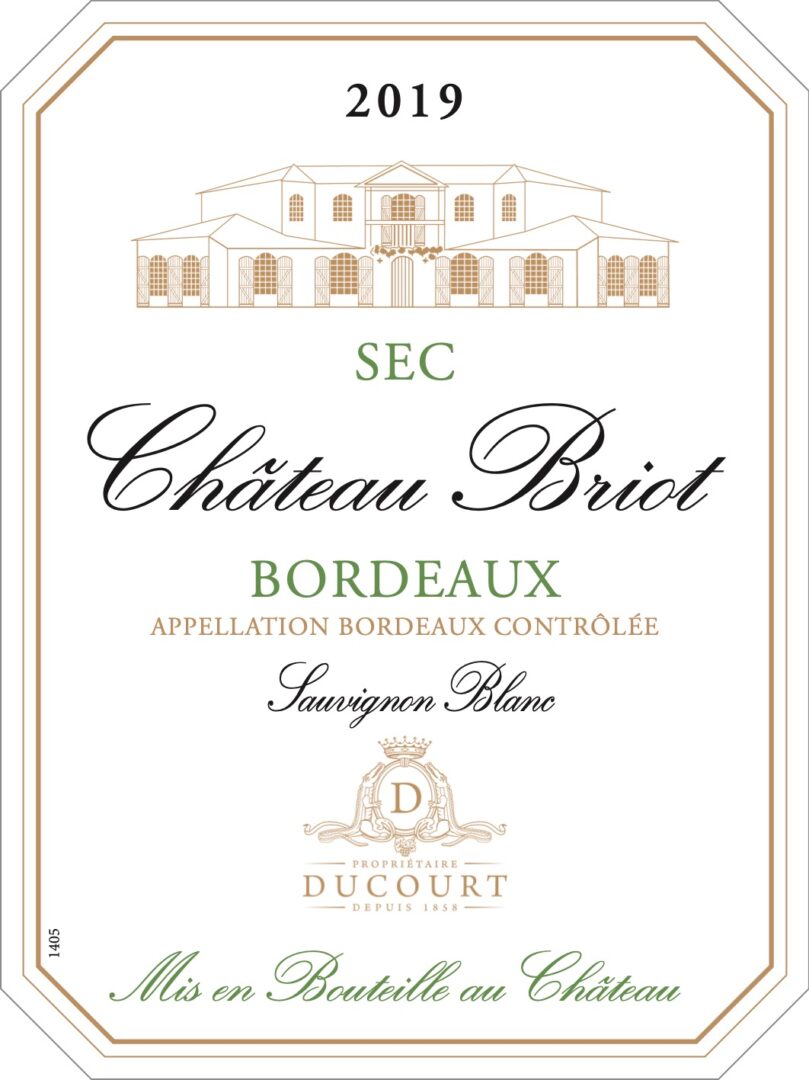
The Château Briot : Imagine a country lane passing through woods that are perfect for hunting and mushroom picking, a lake with a couple of fishermen, and of course vines covering the gentle slopes to complete this idyllic countryside scenery. This is Château Briot, a peaceful haven at the heart of Entre-Deux-Mers, carefully preserved by the Ducourt family since 1980.

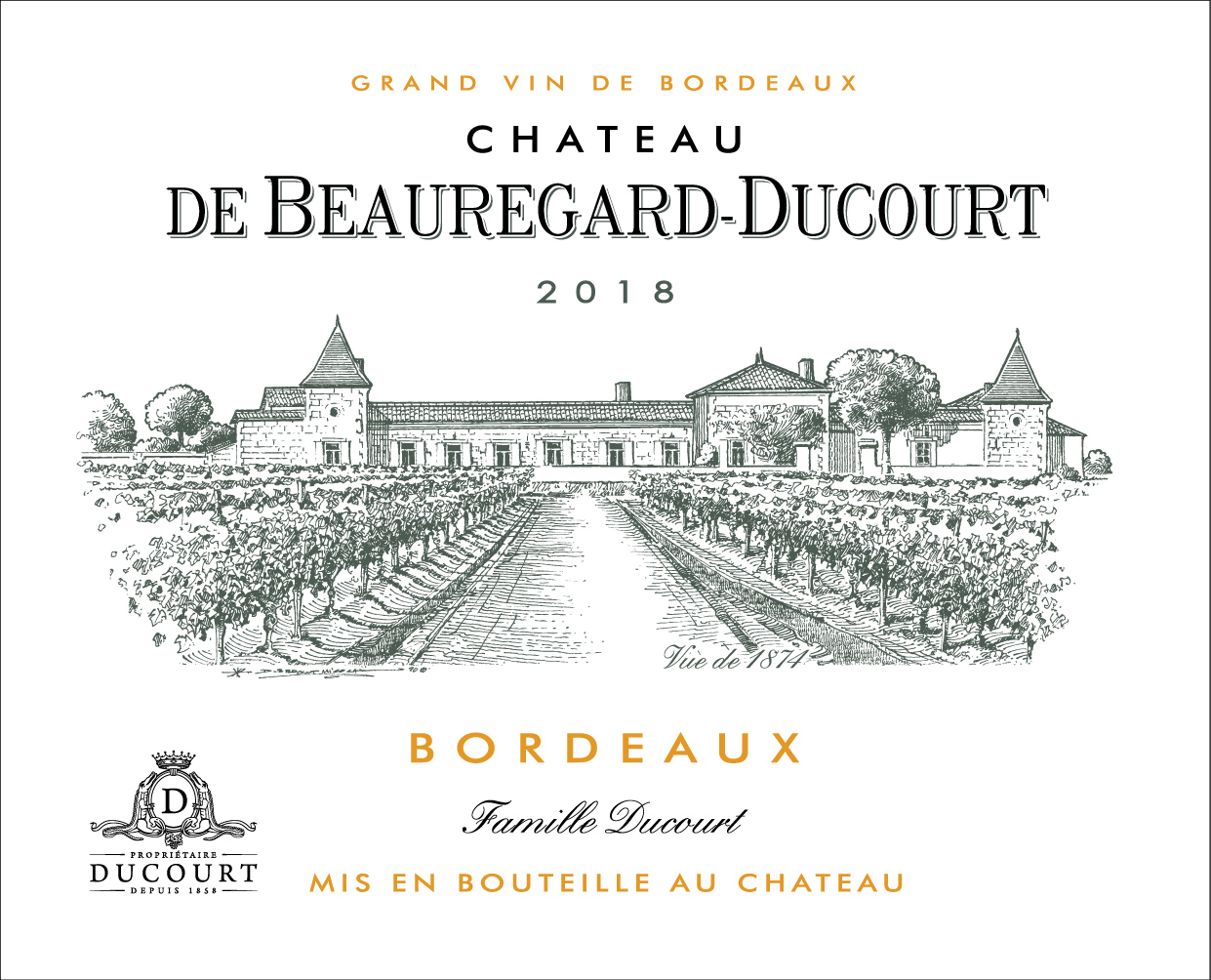
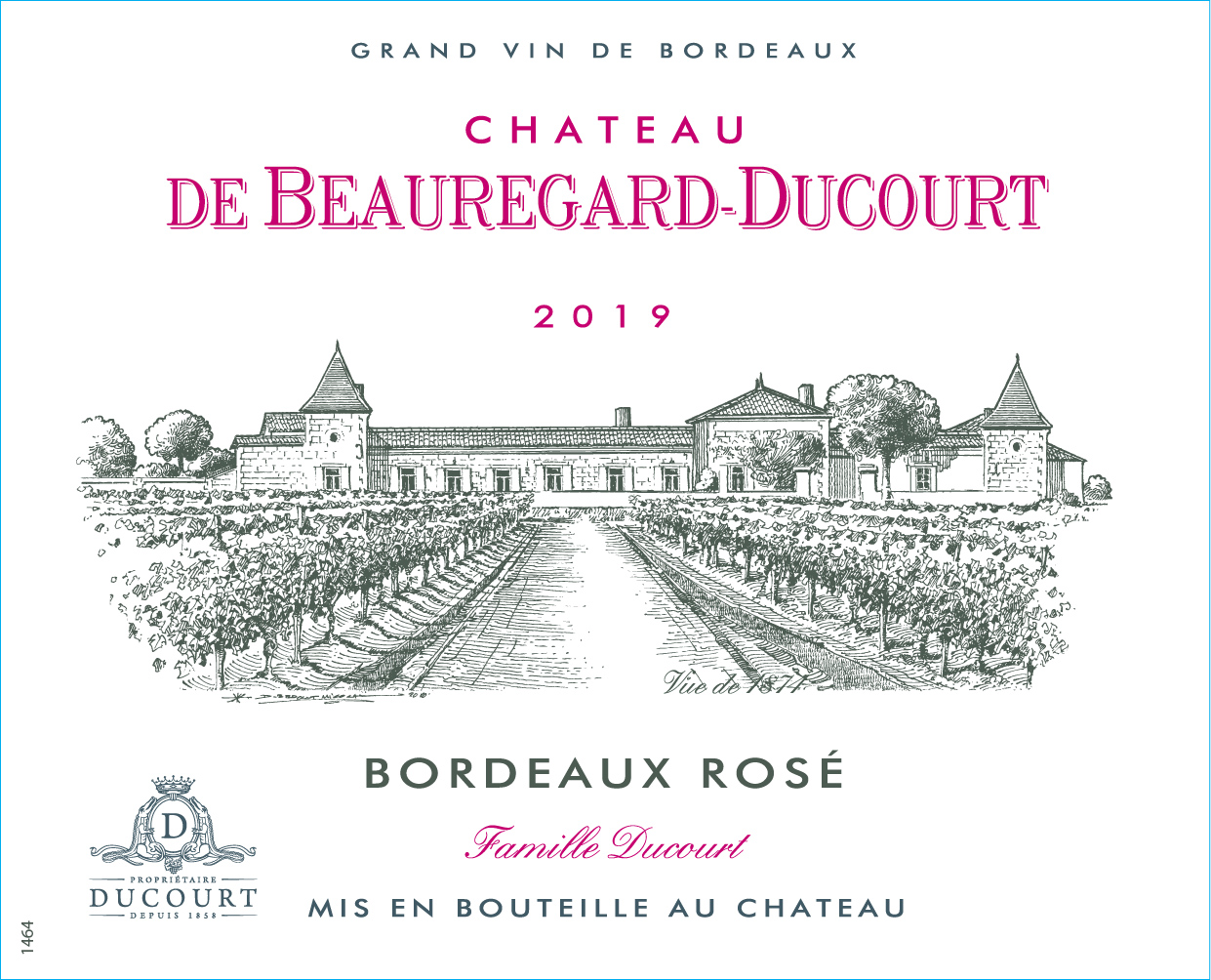
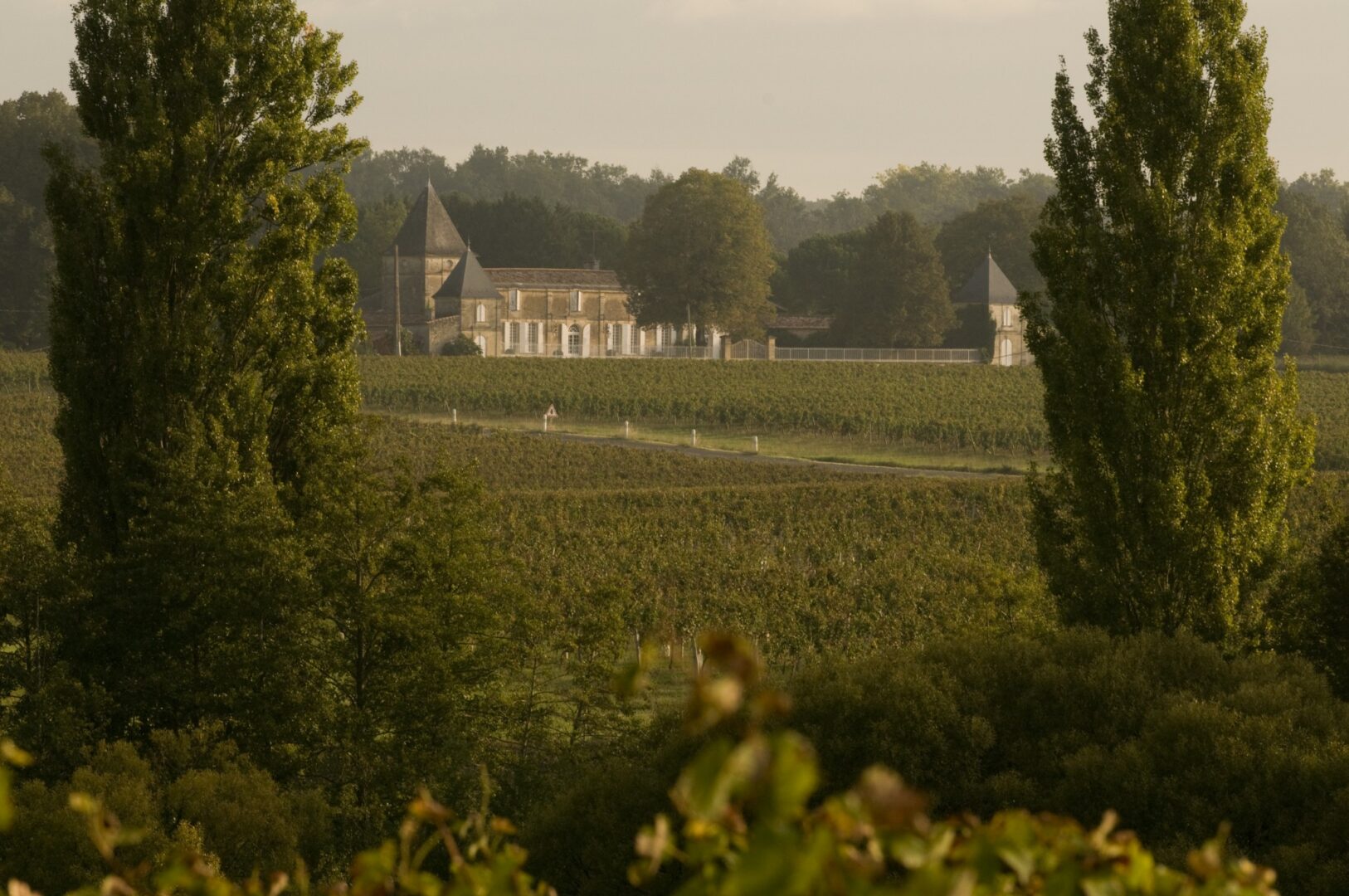
The Château de Beauregard : The château building of this great historic Entre-Deux-Mers property, which the family bought in 1973, overlooks a vineyard that is planted on an expansive south-facing slope. This very particular topology that brings with it clay-limestone soils is favourable for natural drainage and perfectly ripe grapes.

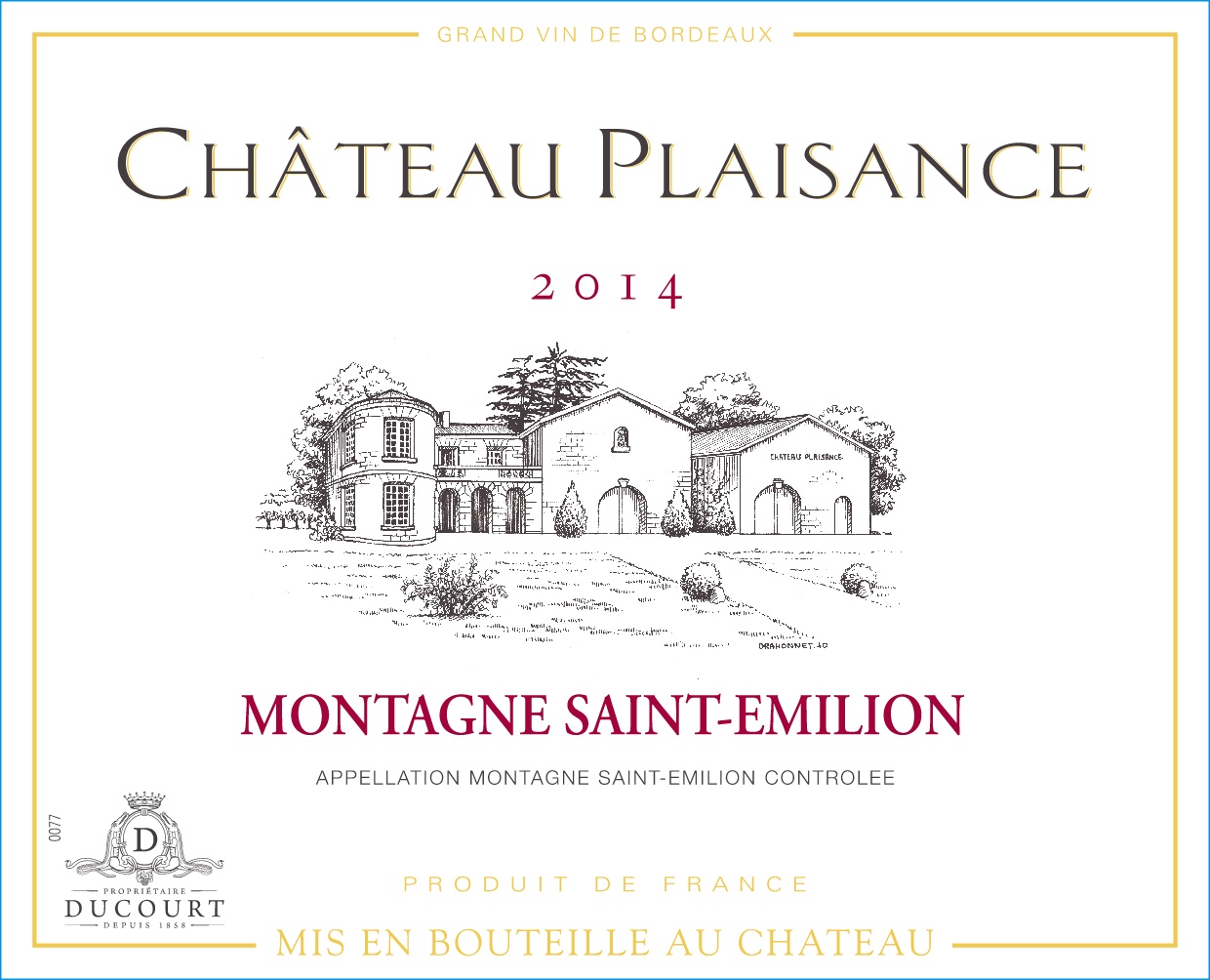
The Château Plaisance : This historic property was acquired by the Ducourt family in 1994. It is situated to the west of Montagne, on the border between the Saint-Emilion and Lalande-de-Pomerol appellations. The terroir, with loamy-clay soils, and the gentle slopes allow for excellent natural drainage. Each vintage, they produce an elegant, harmonious wine with unique character.

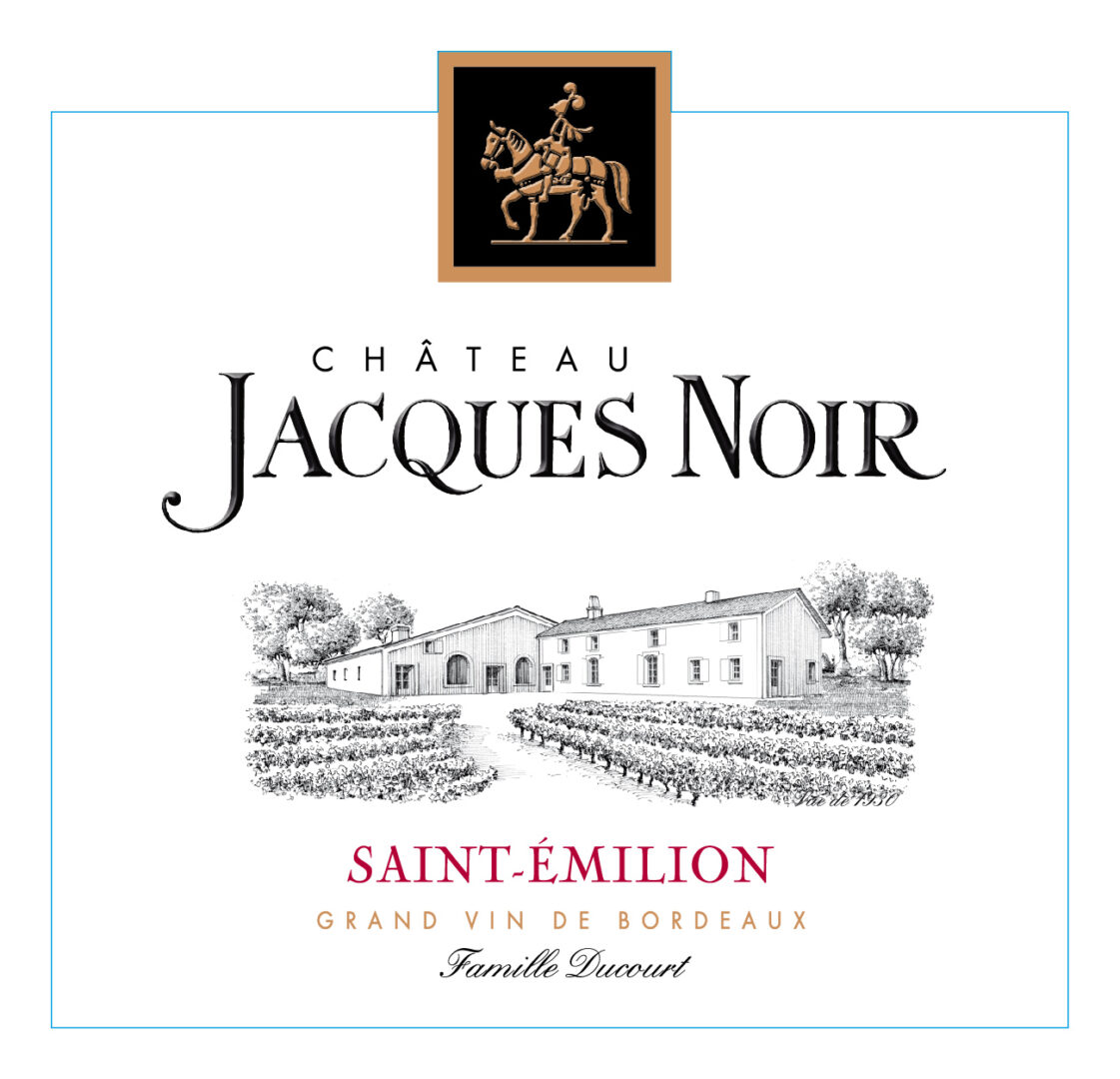
The Château Jaques Noir : Serious work has been carried out in the vineyard and in the winery to restore this historic property that was bought by the Ducourt family in 2001. Situated on the eastern side of the appellation, its terroir provides beautiful, elegant Merlot, the favoured right-bank varietal. It is said that this chateau was originally the den of an unmerciful warlord; he was named “Le Noir“ – The Black – due to his black armor and his tendency to attack after sunset. By day he lived there with his men, soldiers or winemakers… and by night he plotted with his thieves.

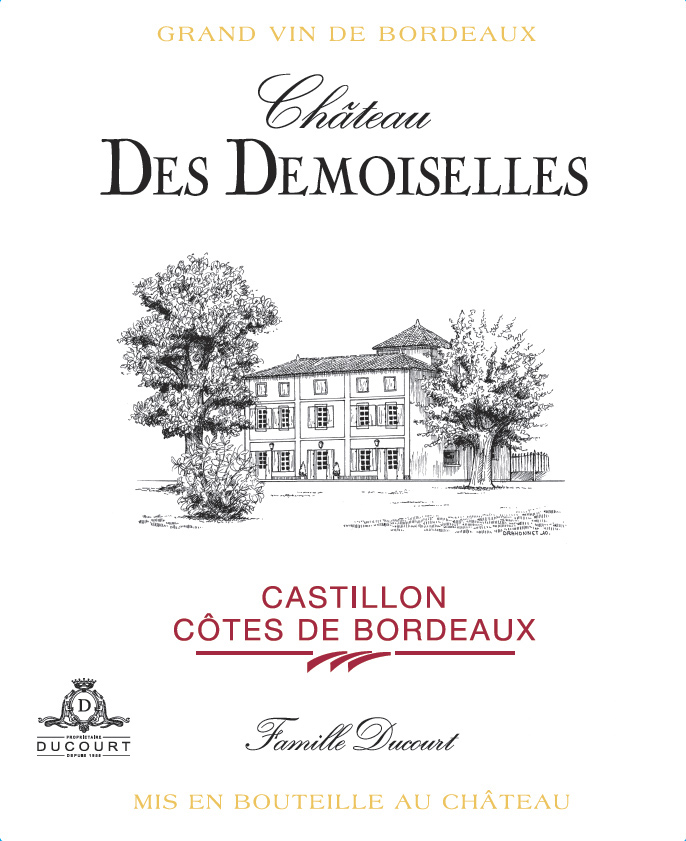
The Château Demoiselles : As passionate botanist, Henri Ducourt knew how to scout out the finest terroir in Entre-Deux-Mers. In 1965, he therefore began to buy plots of vines near to the village of Romagne on a remarkable clay-limestone plateau. Over the years he built up a great estate between “A La Rose” and “Le Pin de Cornet”, which has now become Château La Rose du Pin.

The Château La Rose du Pin : As passionate botanist, Henri Ducourt knew how to scout out the finest terroir in Entre-Deux-Mers. In 1965, he therefore began to buy plots of vines near to the village of Romagne on a remarkable clay-limestone plateau. Over the years he built up a great estate between “A La Rose” and “le Pin de Cornet”, which has now become Château La Rose du Pin.

The Château Le Gout d’Autrefois : As passionate botanist, Henri Ducourt knew how to scout out the finest terroir in Entre-Deux-Mers. In 1965, he therefore began to buy plots of vines near to the village of Romagne on a remarkable clay-limestone plateau. Over the years he built up a great estate between “A La Rose” and “le Pin de Cornet”, which has now become Château La Rose du Pin.
Wines produced

CHÂTEAU DE BEAUREGARD DUCOURT BORDEAUX BLANC
CHÂTEAU DE BEAUREGARD DUCOURT BORDEAUX ROSE
CHÂTEAU DE BEAUREGARD DUCOURT BORDEAUX ROUGE
CHATEAU BEAUREGARD DUCOURT BORDEAUX ROUGE BLACK LABEL
CHÂTEAU BRIOT BORDEAUX BLANC
CHÂTEAU BRIOT BORDEAUX ROUGE
CHÂTEAU PLAISANCE MONTAGNE SAINT EMILION
CHATEAU DES DESMOISELLES, CASTILLON COTES DE BORDEAUX ROUGE
CHÂTEAU JACQUES NOIR, SAINT EMILION
METISSAGE, VIN DE France, BLANC
METISSAGE, VIN DE France, ROUGE
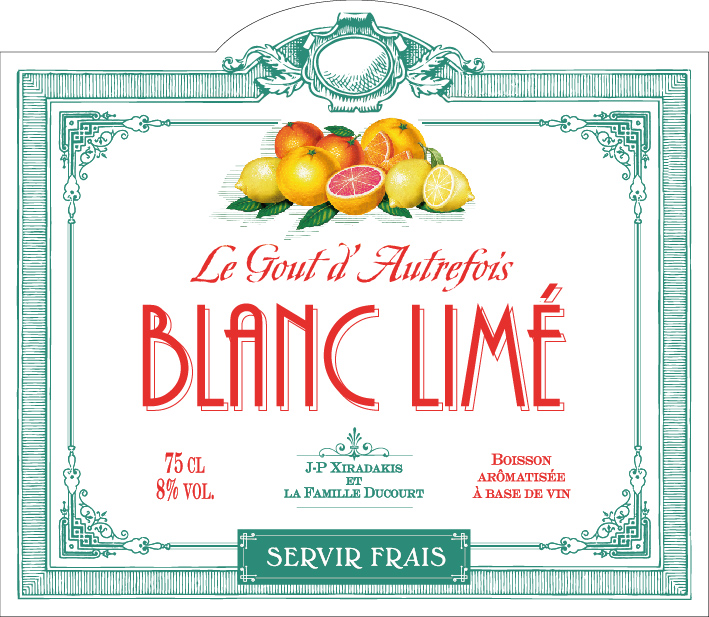
LE GOUT D’AUTREFOIS BLANC LIME
LE GOUT D’AUTREFOIS ROSE LIME

Grape varieties planted

Merlot
Cabernet Sauvignon
Sauvignon Blanc
Semillon

Siz of Vineyard

480 hectares spread over 14 Château’s

Average age of the vines

25 years, depending on the individual Château

Location

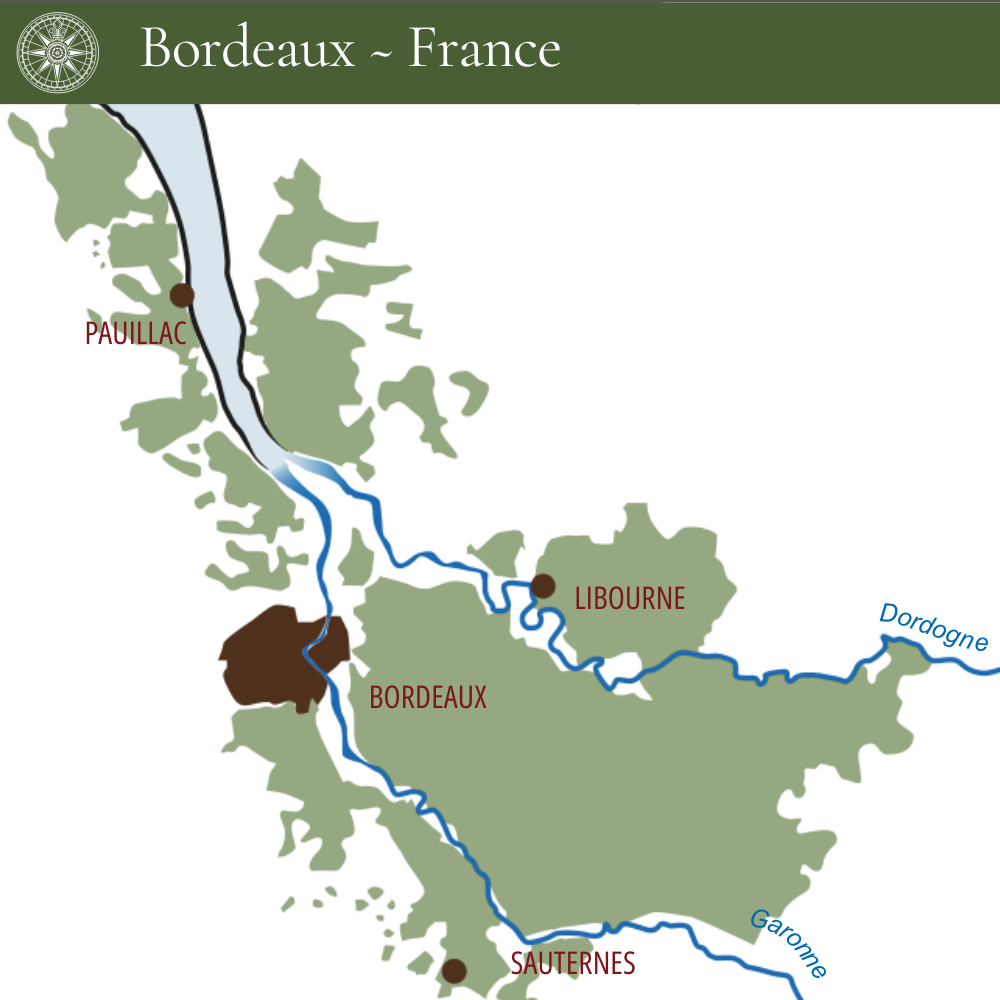
The main vinification facilities and offices are located in Ladaux in the heart of the Entre-Deux-Mers. Vignobles Ducourt owns estates across Entre-Deux-Mers, Saint-Émilion and Castillon.

Soils

.Château Redon : Clay-limestone
Château Briot : Loamy-clay
Château de Beauregard : Clay-limestone
Château Plaisance : Loamy-clay
Château Jacques Noir :Clay
Château des Demoiselles : Loamy
Château La Rose du Pin : Loamy-clay

Viticulture & Winemaking

Sustainable.
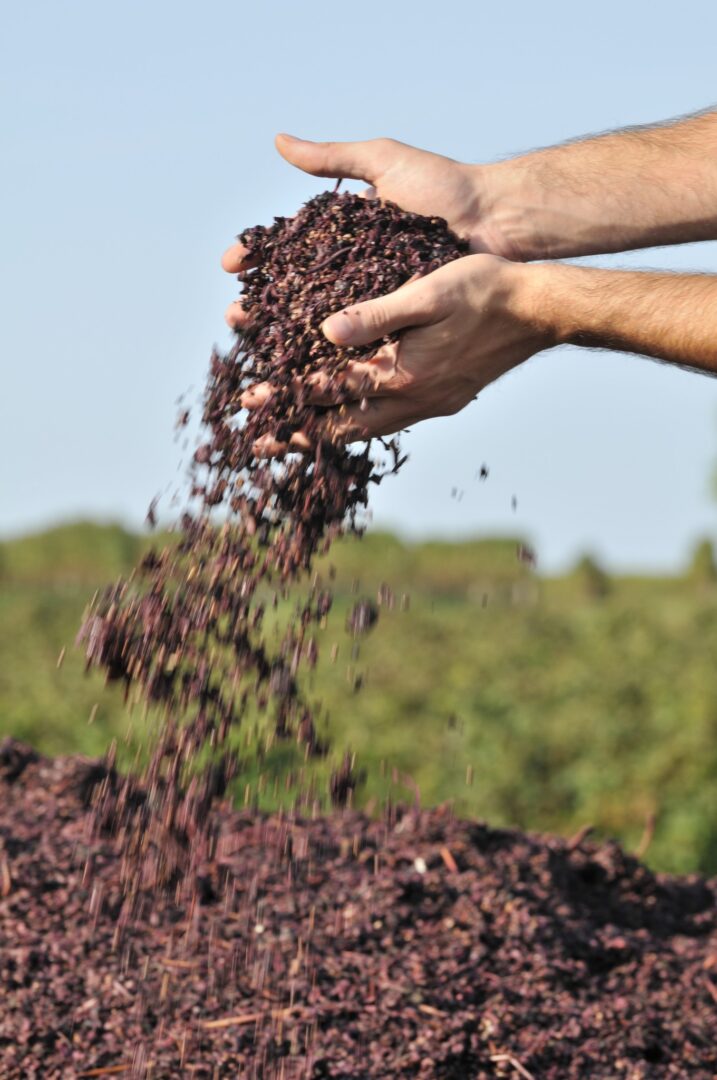
Vignobles Ducourt practices sustainable viticulture, avoiding chemical fertilizers and insecticides. Machine harvesting is done in the cool early mornings to preserve grape integrity. Pre-fermentation cold maceration of 24–48 hours is applied for reds, while whites and rosés often undergo several hours of skin-contact maceration. Alcoholic fermentation is carried out in thermo-regulated stainless steel or concrete vats, with temperatures gradually increased to optimise extraction and aromatics. Malolactic fermentation takes place in thermoregulated vats, followed by ageing in a combination of stainless steel and oak barrels, depending on the wine.
Reds are gently vat-aged for 3 weeks before running off, pressing, and separating free-run and press juice. Oak ageing ranges from 12 months (with proportions of new and used barrels varying by cuvée) to extended cellar ageing for 18–24 months before bottling. Whites and rosés undergo cold fermentation and ageing on lees to preserve freshness and aromatic intensity.
Top cuvées, such as Reserve de la Famille, see a careful balance of new and used oak followed by additional cellar ageing. Across the estate, meticulous sorting ensures only the best grapes are used, while attention to detail in vinification preserves varietal expression, balance, and complexity in every wine.