Domaine J-L. Chave

France

Rhône Valley

Hermitage

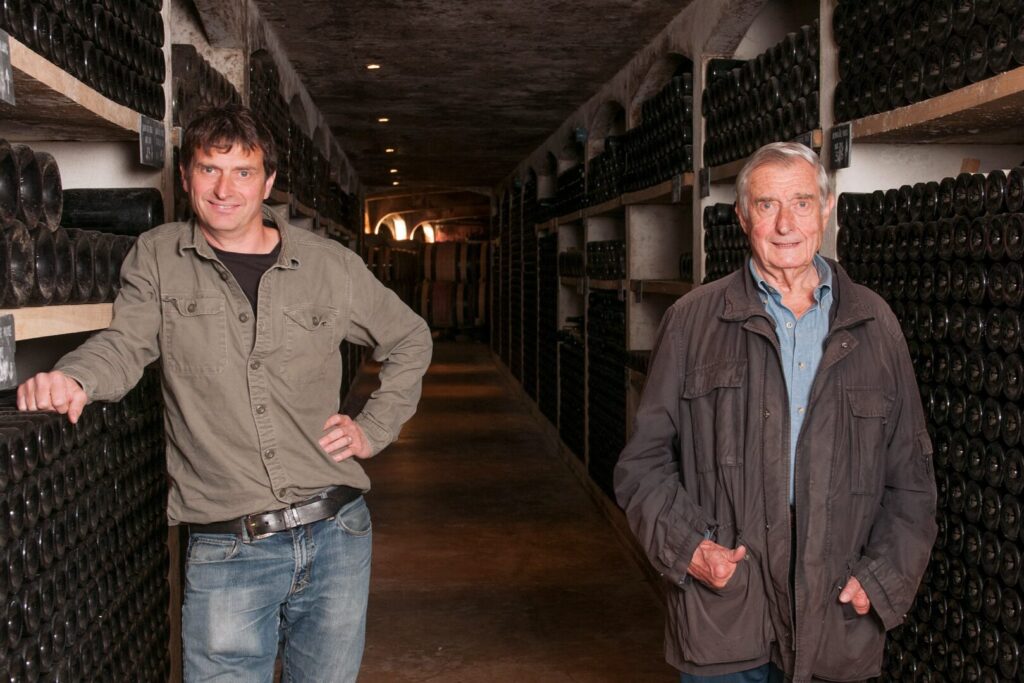
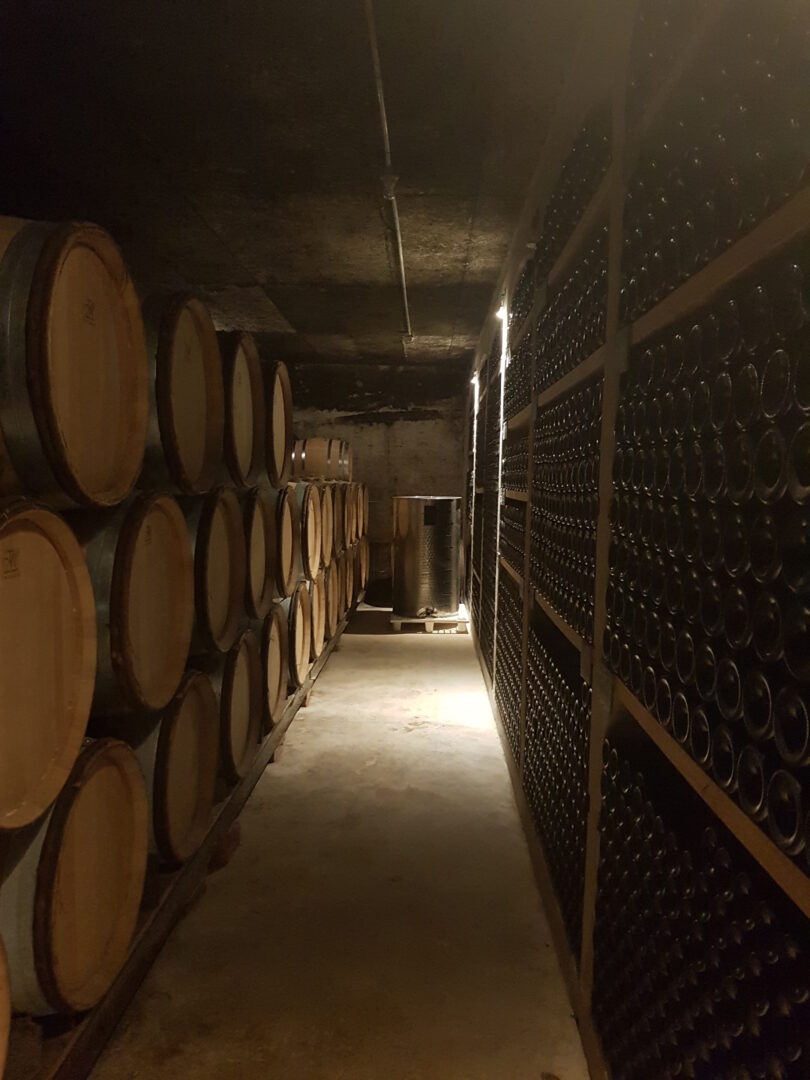
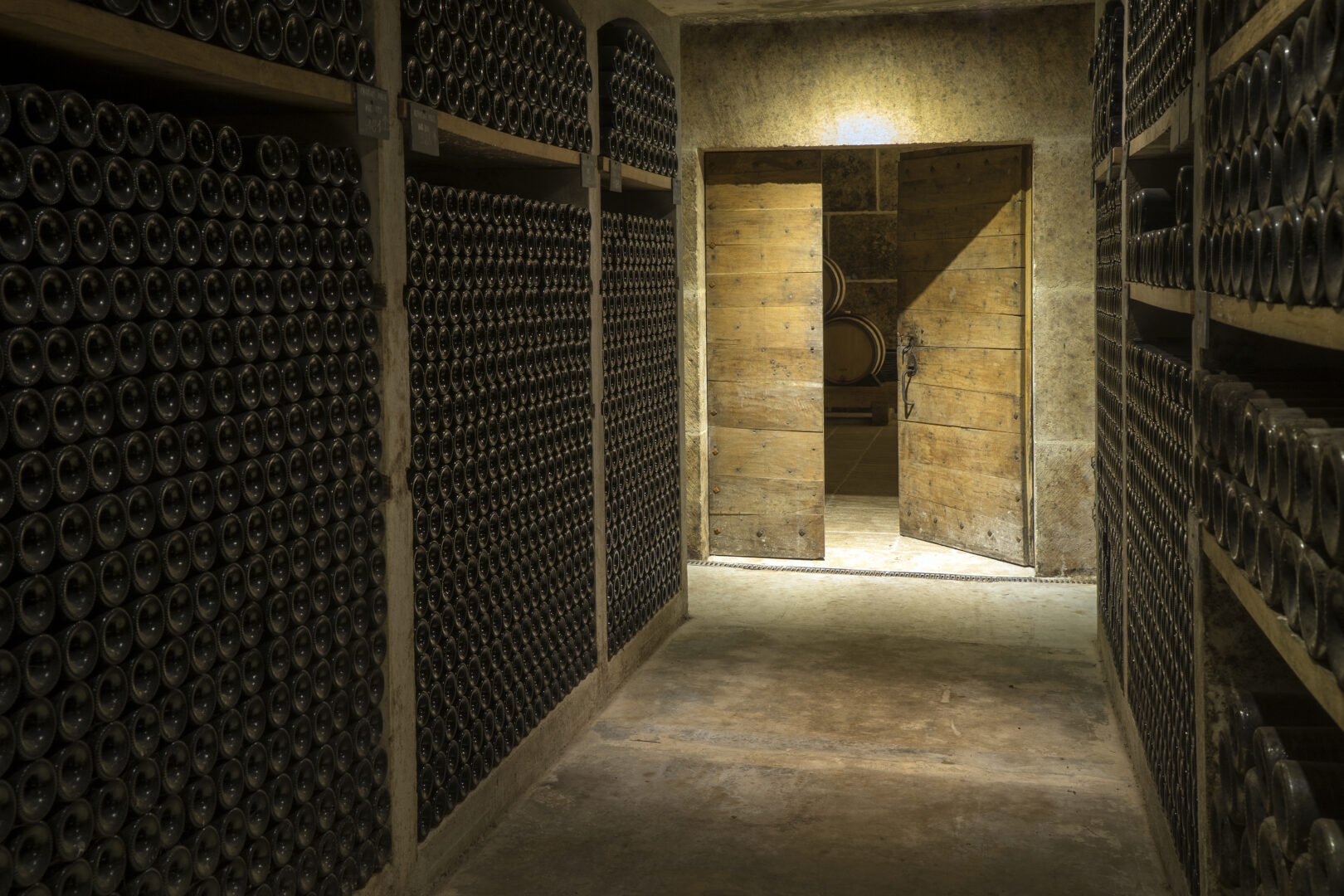
In 1970, Gérard Chave took over the family domaine, continuing a tradition dating back to 1481. He inherited prime vineyards on Hermitage hill and a domaine respected for its quality, though not yet celebrated. Since then, he has quietly become one of the world’s greatest winemakers. Gérard is the opposite of the fashionable ‘winemaker-creator.’ His ancient cellars are damp, he avoids new oak, and natural fermentation prevails. Yet he is no rigid traditionalist, having exchanged ideas with leading winemakers worldwide—even experimenting with Zinfandel on Hermitage, though unimpressed with the results. His genius rests on three principles. First, deep knowledge of each vine and parcel. Second, meticulous attention to detail in every vineyard and cellar task. Third, flexibility: no formulas, no assumptions, each decision guided by tasting, not dogma. Today, his son Jean-Louis, the 16th generation, plays a central role, crafting wines with the same passion, care, and philosophy he learned from his father.

Wines produced

Winery presentation

Owner / winemaker

Gerard & Jean-Louis Chave

Region

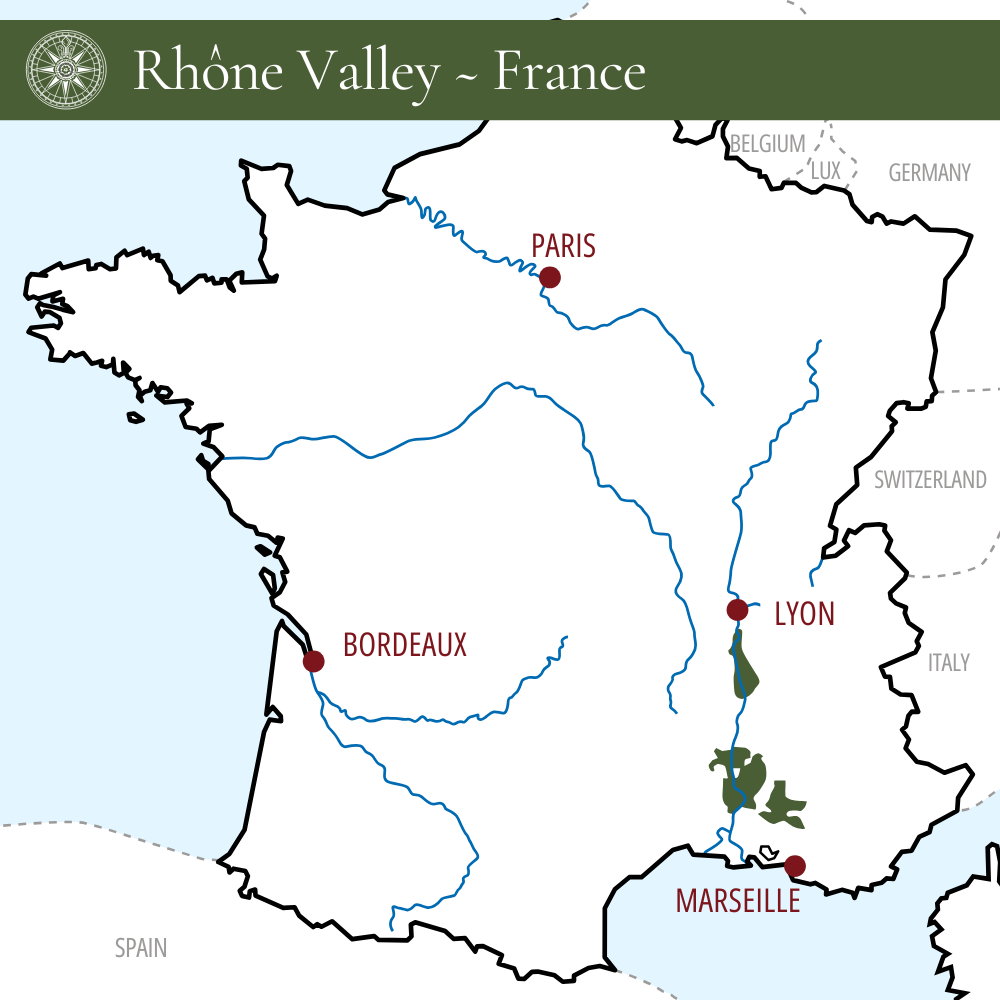
Rhone Valley

Appellation

Hermitage

Presentation

In 1970, Gérard Chave took over the family domaine, continuing a tradition dating back to 1481. He inherited prime vineyards on Hermitage hill and a domaine respected for its quality, though not yet celebrated. Since then, he has quietly become one of the world’s greatest winemakers. Gérard is the opposite of the fashionable ‘winemaker-creator.’ His ancient cellars are damp, he avoids new oak, and natural fermentation prevails. Yet he is no rigid traditionalist, having exchanged ideas with leading winemakers worldwide—even experimenting with Zinfandel on Hermitage, though unimpressed with the results. His genius rests on three principles. First, deep knowledge of each vine and parcel. Second, meticulous attention to detail in every vineyard and cellar task. Third, flexibility: no formulas, no assumptions, each decision guided by tasting, not dogma. Today, his son Jean-Louis, the 16th generation, plays a central role, crafting wines with the same passion, care, and philosophy he learned from his father.

Wines produced

JL CHAVE SELECTION RANGE
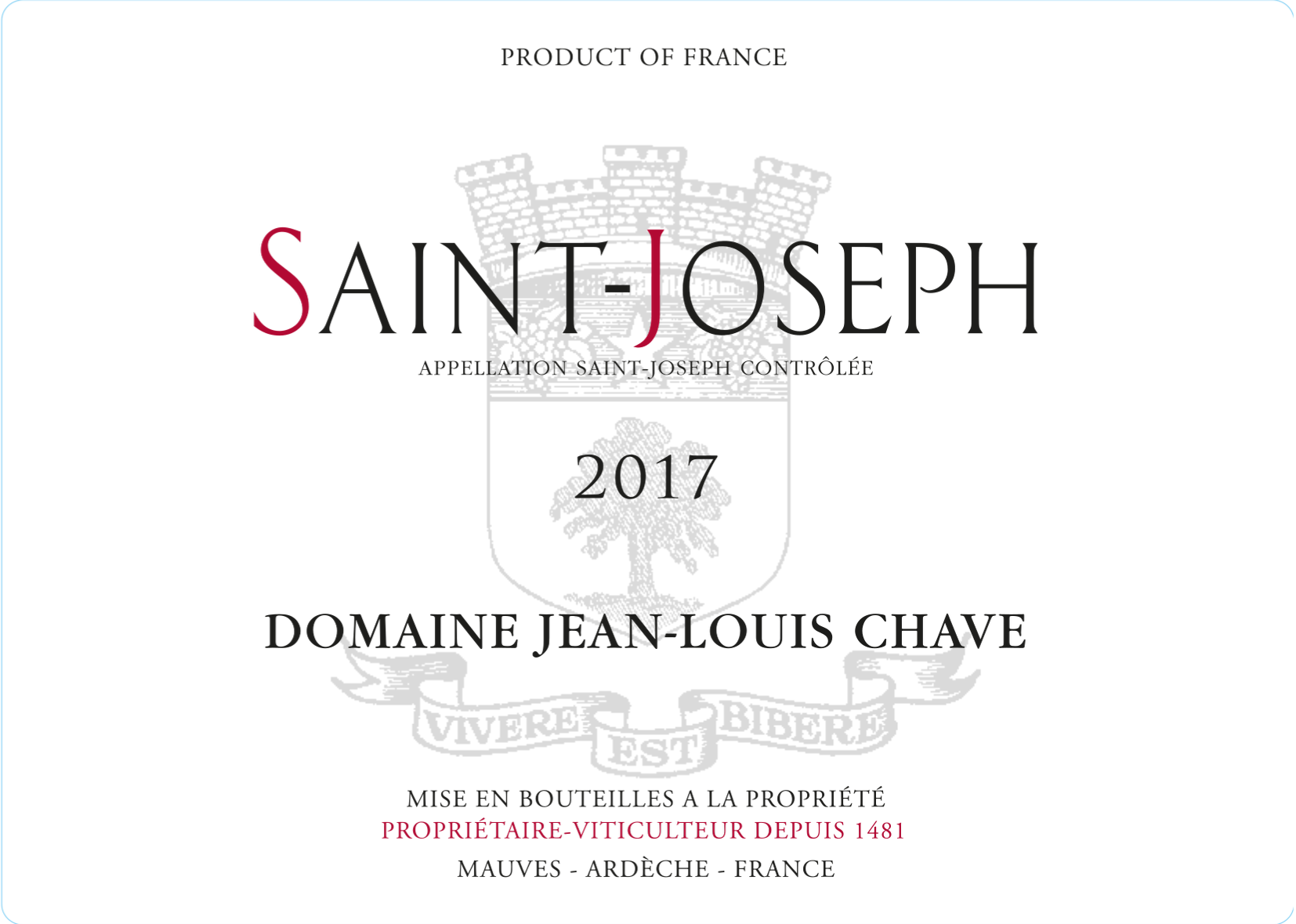
SAINT JOSEPH (RED)
CLOS FLORENTIN SAINT JOSEPH (RED)
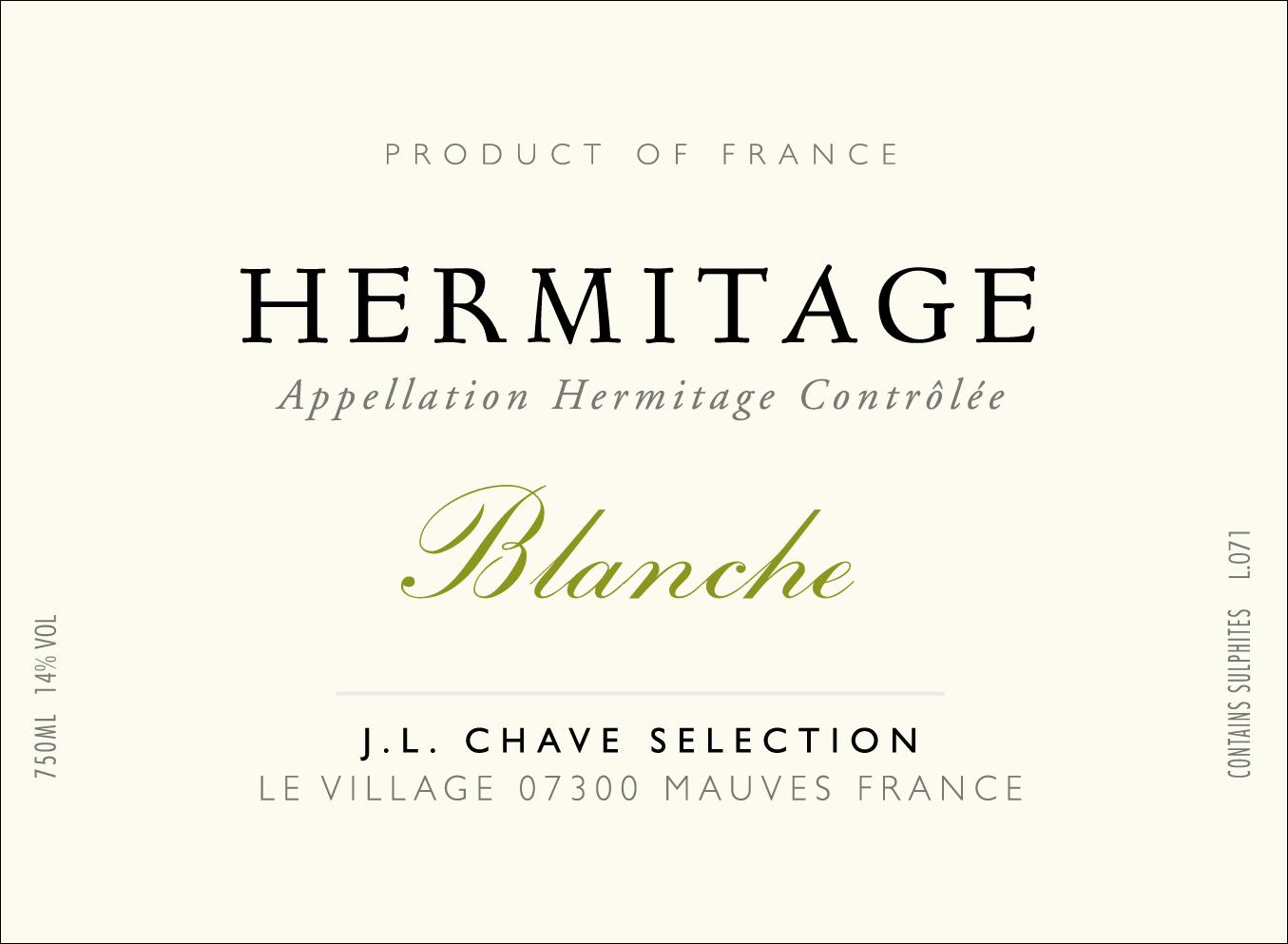
L’HERMITAGE BLANC (WHITE)
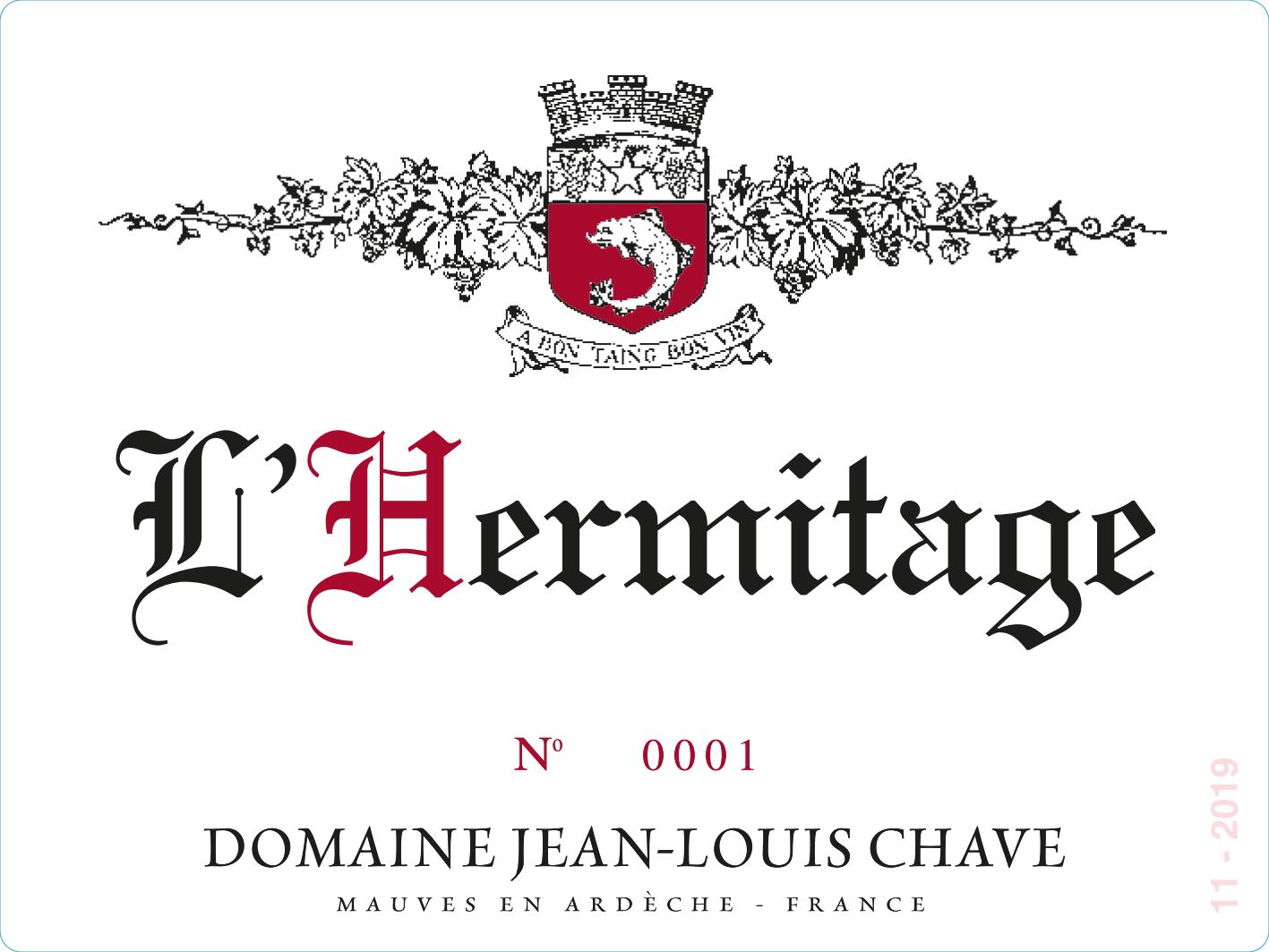
L’HERMITAGE ROUGE (RED)

Grape varieties planted

Syrah
Marsanne
Roussane

Size of Vineyard

26 hectares

Average age of the vines

The vast majority of the vines are over 50 years old. In Les Bessards, Les Rocoules and Peléat, many are over 80 years old.

Location

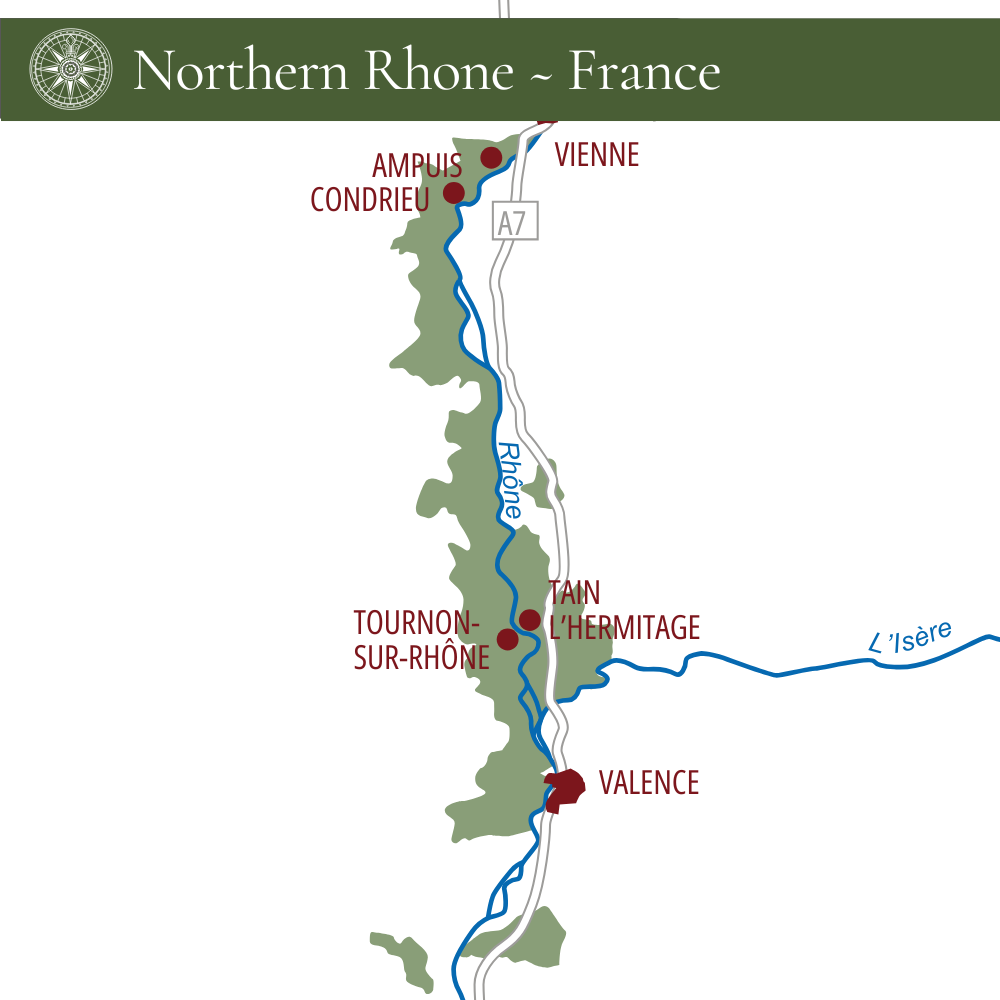
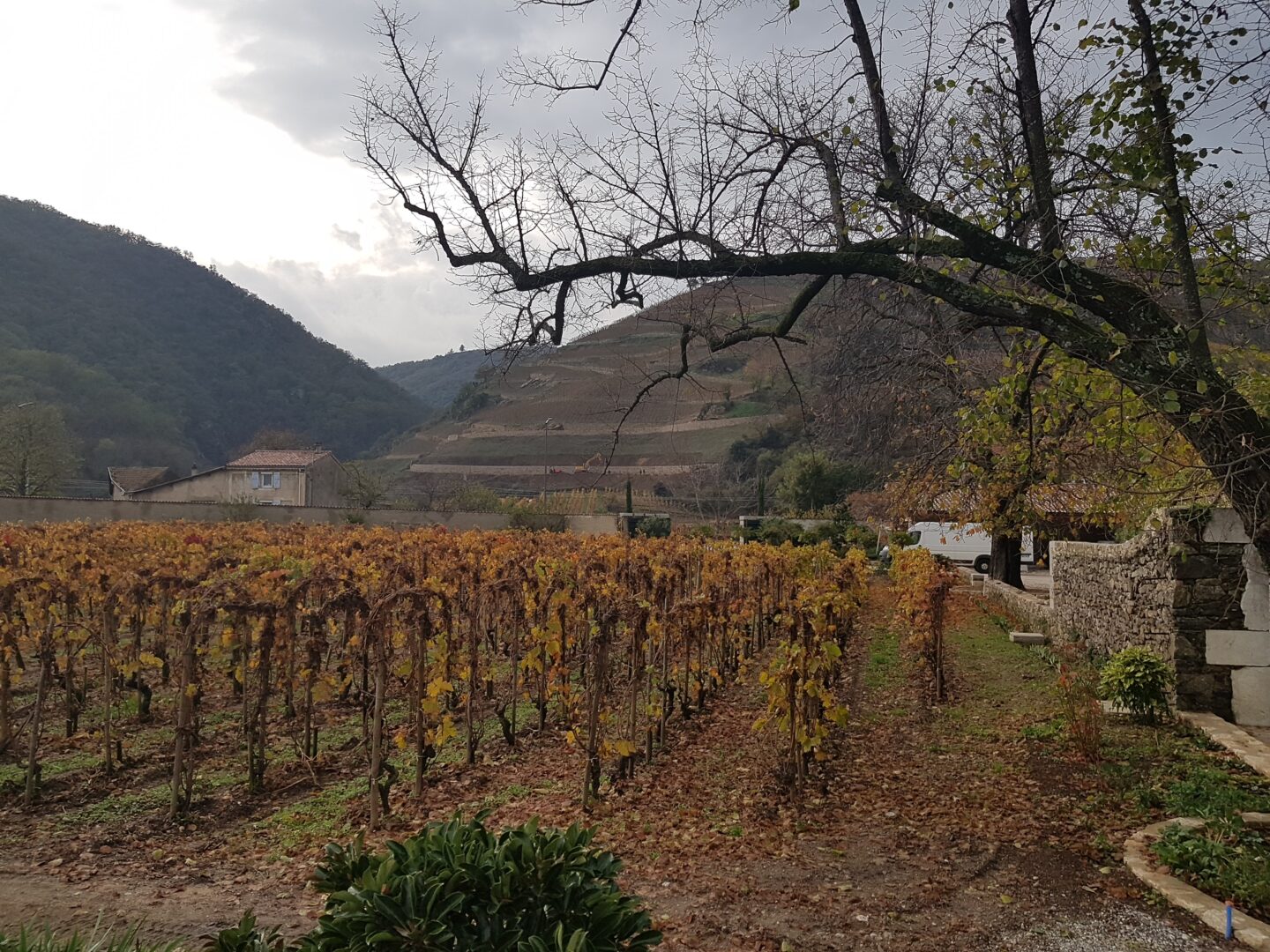
The Chave residence and cellars are on the other side of the river from Hermitage, in the unremarkable village of Mauves, between Tournon and Cornas.

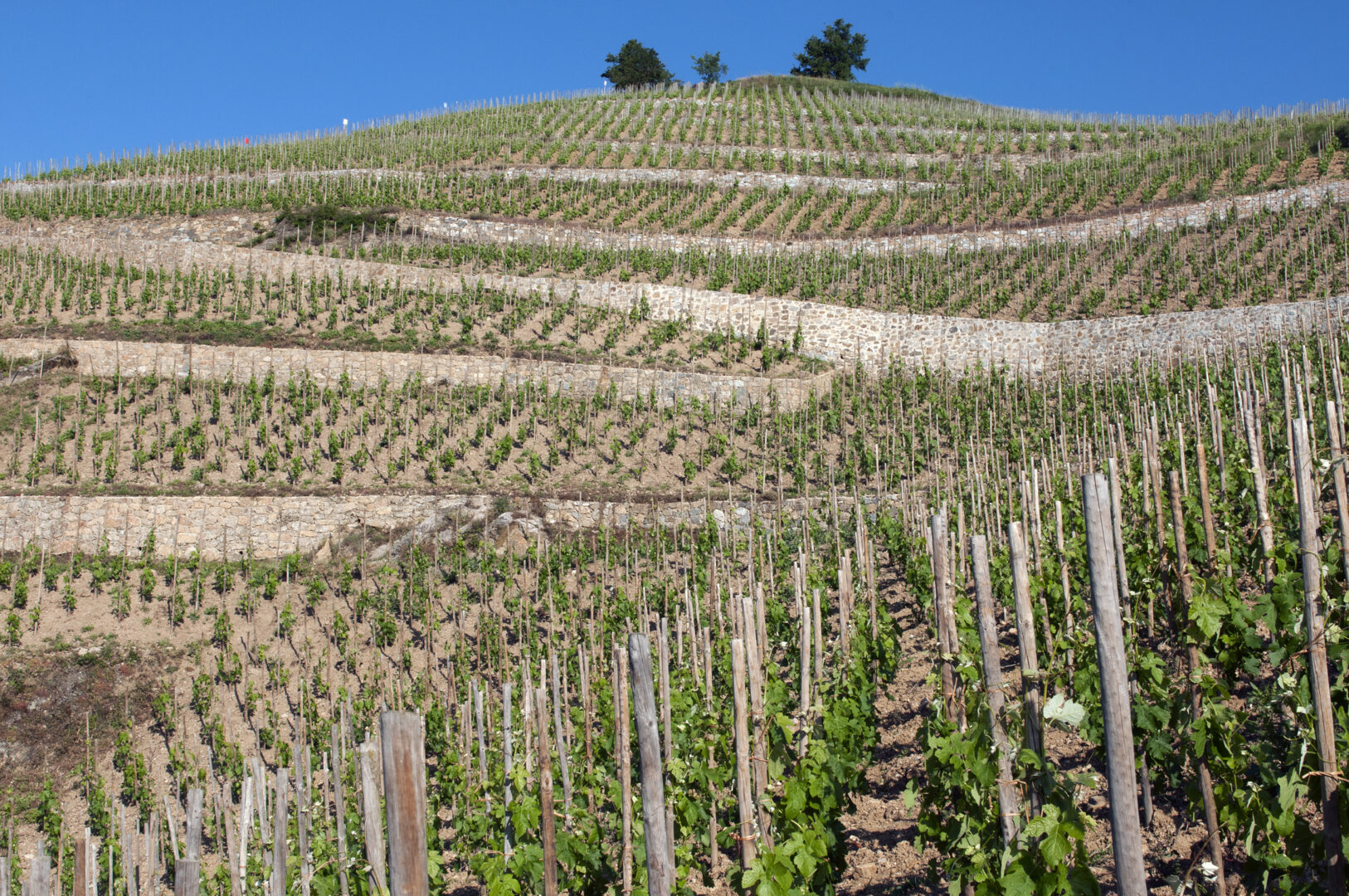
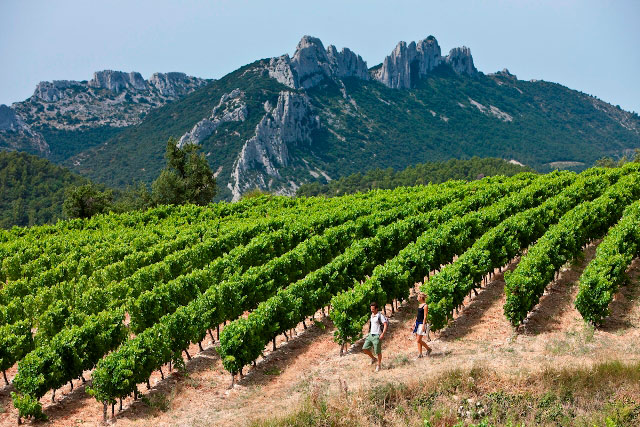
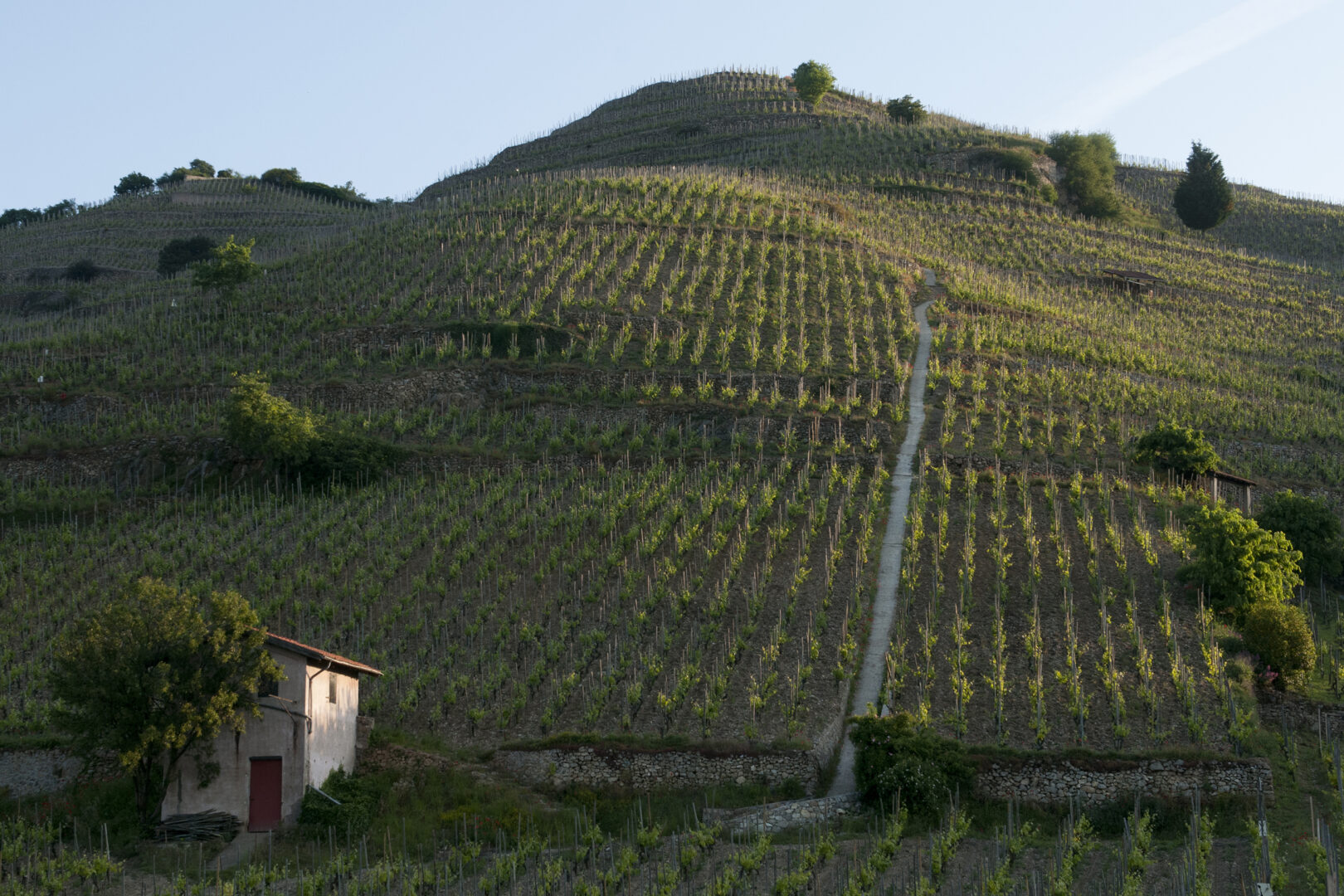
Almost all the Chave vineyards are in Hermitage, dotted all over the hill, with plots in 9 of the 18 climats. White grapes are grown in Les Rocoules, L’Hermite, Peléat and Maison Blanches. The backbone of the red blend comes from a significant 2 hectare holding in Les Bessards, supplemented by 6 other climats.

Soils

Domaine Jean-Louis Chave’s vineyards grow predominantly on granite soils, with small variations. Les Rocoules has clay-limestone, ideal for expressive white varieties.

Viticulture & Winemaking

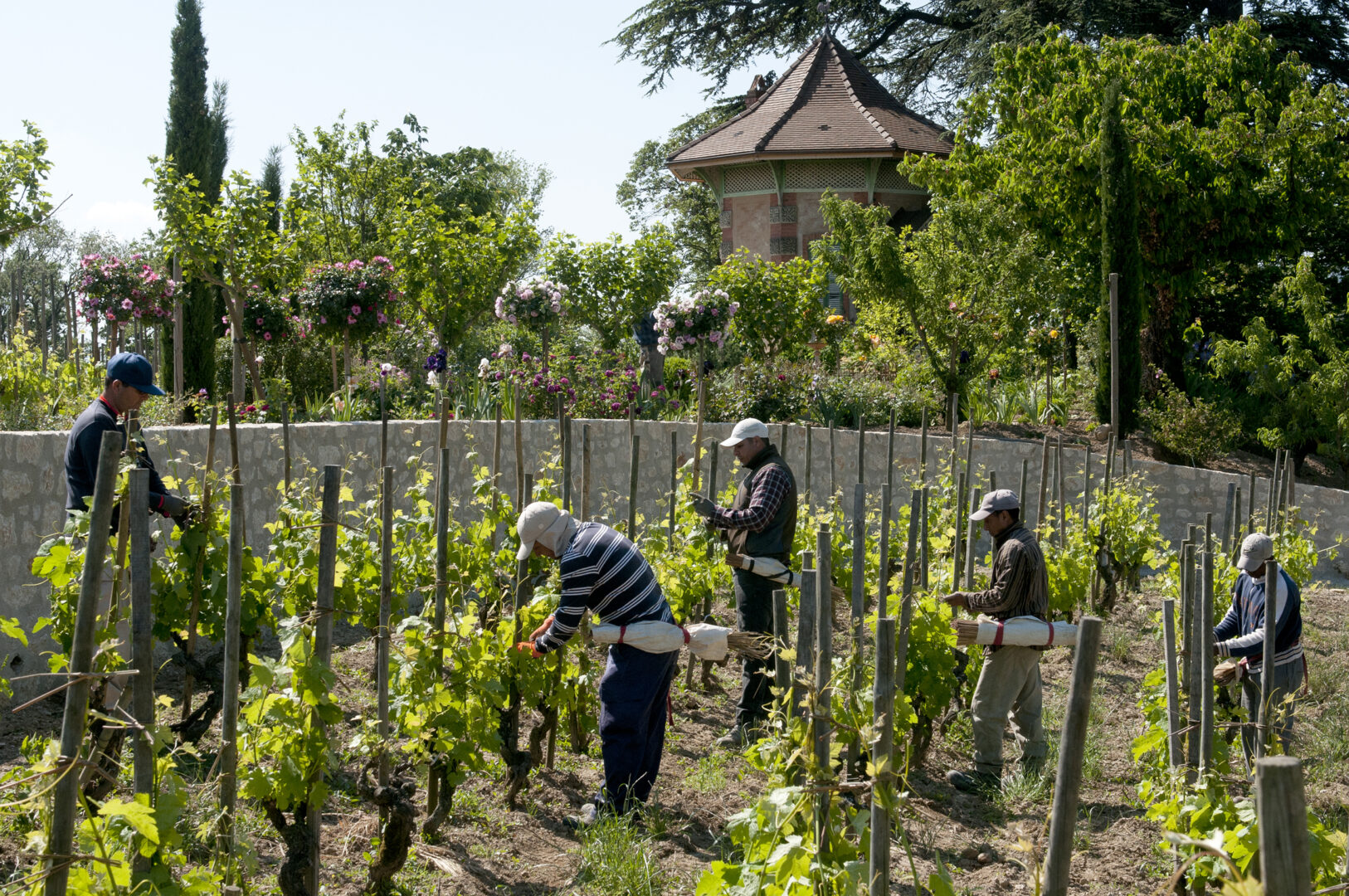
Domaine Jean-Louis Chave is renowned for its meticulous, traditional viticulture rooted in respect for terroir. The Chave family farms their parcels organically, emphasizing soil health and biodiversity without chemical fertilizers or herbicides. Each of the estate’s many lieux-dits is tended individually, with work carried out by hand due to the steep slopes. Yields are kept low through careful pruning and green harvesting to ensure concentration and balance. Replanting is done with massal selections from old vines to preserve genetic diversity. The estate’s philosophy centers on expressing the unique character of each site through attentive vineyard stewardship, allowing the Hermitage terroir to speak clearly in the wines.

White: the grapes are hand-picked when fully ripe (but not overripe). They are immediately pnuematically pressed, and settled for at least 24 hours, chilled if necessary. Fermentation is one third in cask, two thirds in stainless steel, at 20°C. After malolactic conversion, the young wines are racked off the lees, and the wines are trnasferred to barrel for around 18 monthsNew oak is avoided, except to replace damaged or leaking barrels. After blending, the wine is left to harmonize, and then lightly filtered (by gravity) before bottling.

Red: Chave is one of the latest to harvest, because he believes that tannin and extract are more important than acidity in giving the wine ageing ability. The grapes are usually destemmed to eliminate astringent tannins, but in a ripe year such as 1990, he may leave 50% of the stems. Fermentation and cuvaison lasts 2-3 weeks, with temperatures allowed to rise above 30°C, particularly at the end of the fermentation when extraction is critical. Chave uses a mixture of old open oak vats (with pigeage by foot), cement cuves and stainless steel (with pumping over), depending on the individual needs of each parcel. Malolactic fermentations may take place in vat or in cask, and press wine may or may not be blended back, depending on the year. The reds are aged 15-18 months in cask or in old Hungarian oak foudres of 1300 litres. A maximum of 10% new oak is used, but Chave prefers second-hand barrels which he buys from reputed winemakers. After careful racking, the blend is painstakingly assembled, with the discarded wine sold off in bulk.

Labels