La Ina

Spain

Andalusia

Jerez - Sherry

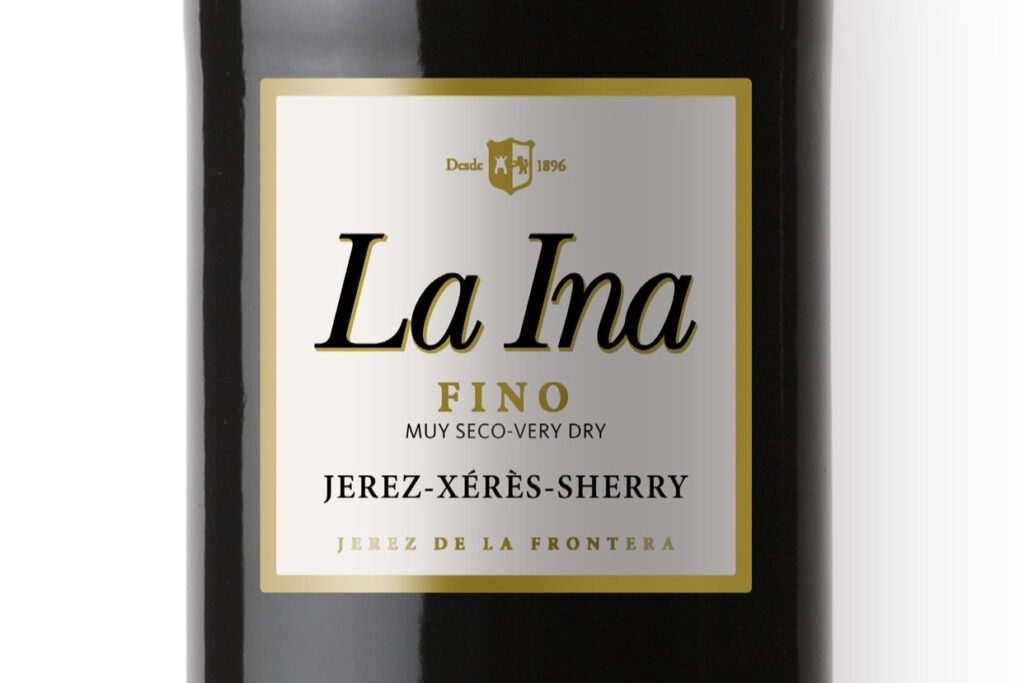
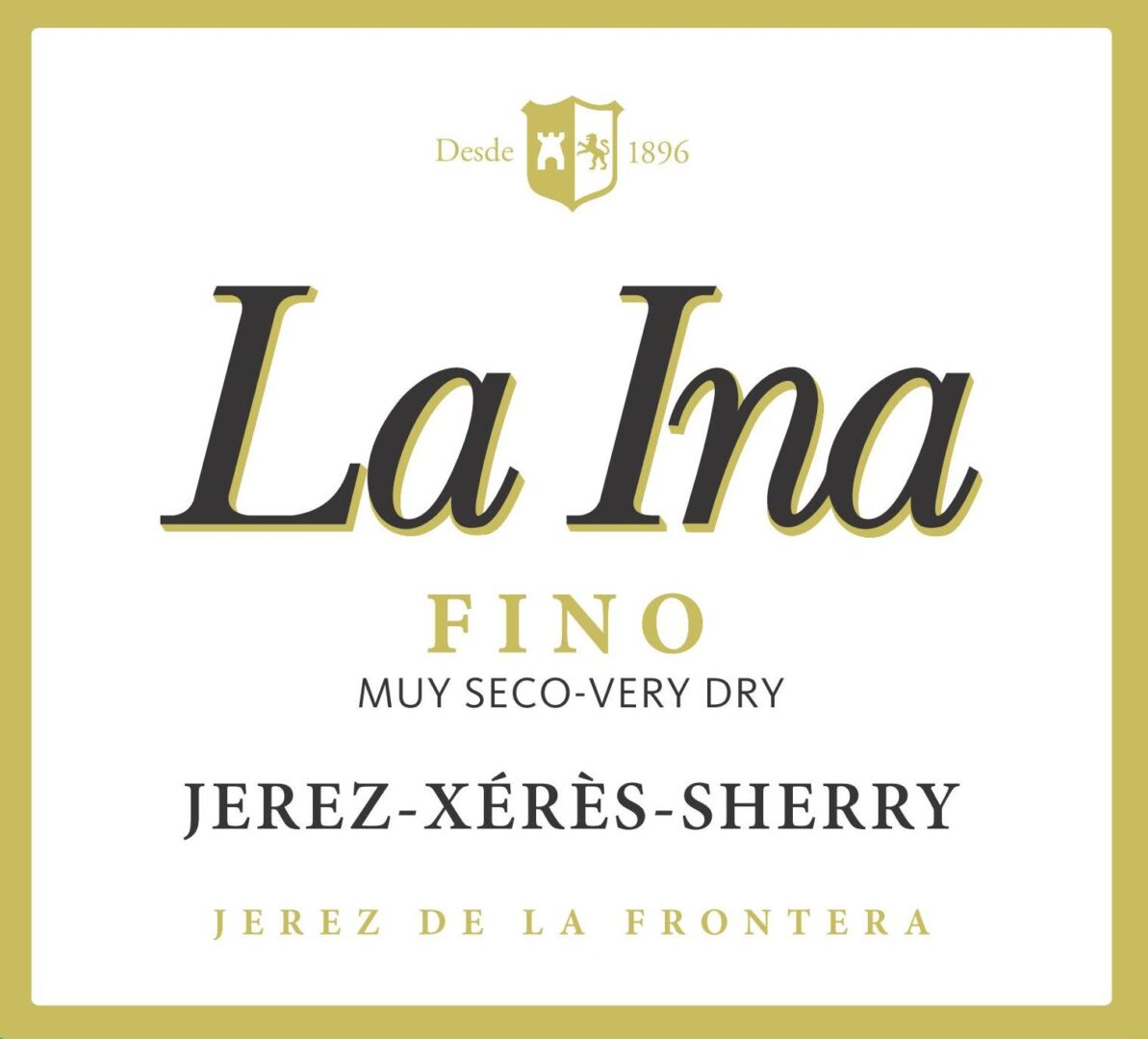
Just occasionally, drinks brands can become veritable cultural icons, representing the essence of a way of life, a distinct and proud national or regional identity. LA INA is one such drink.
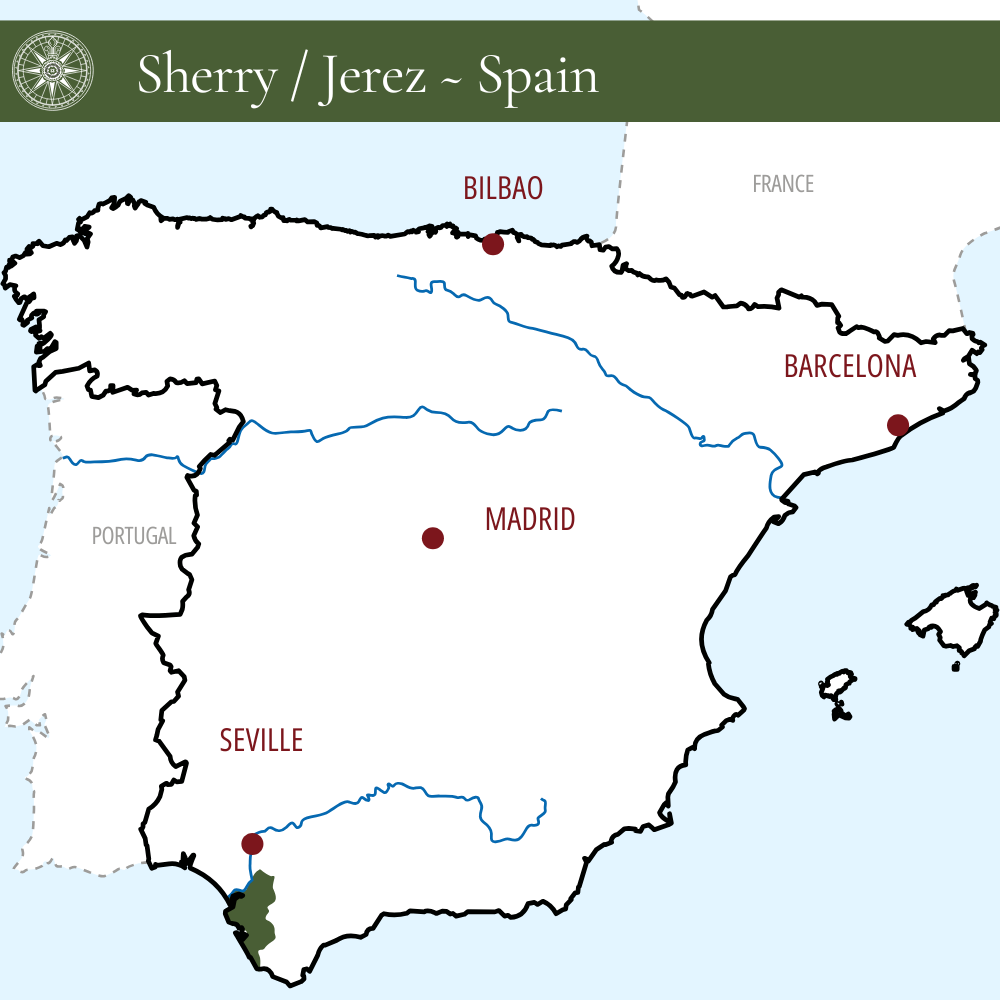
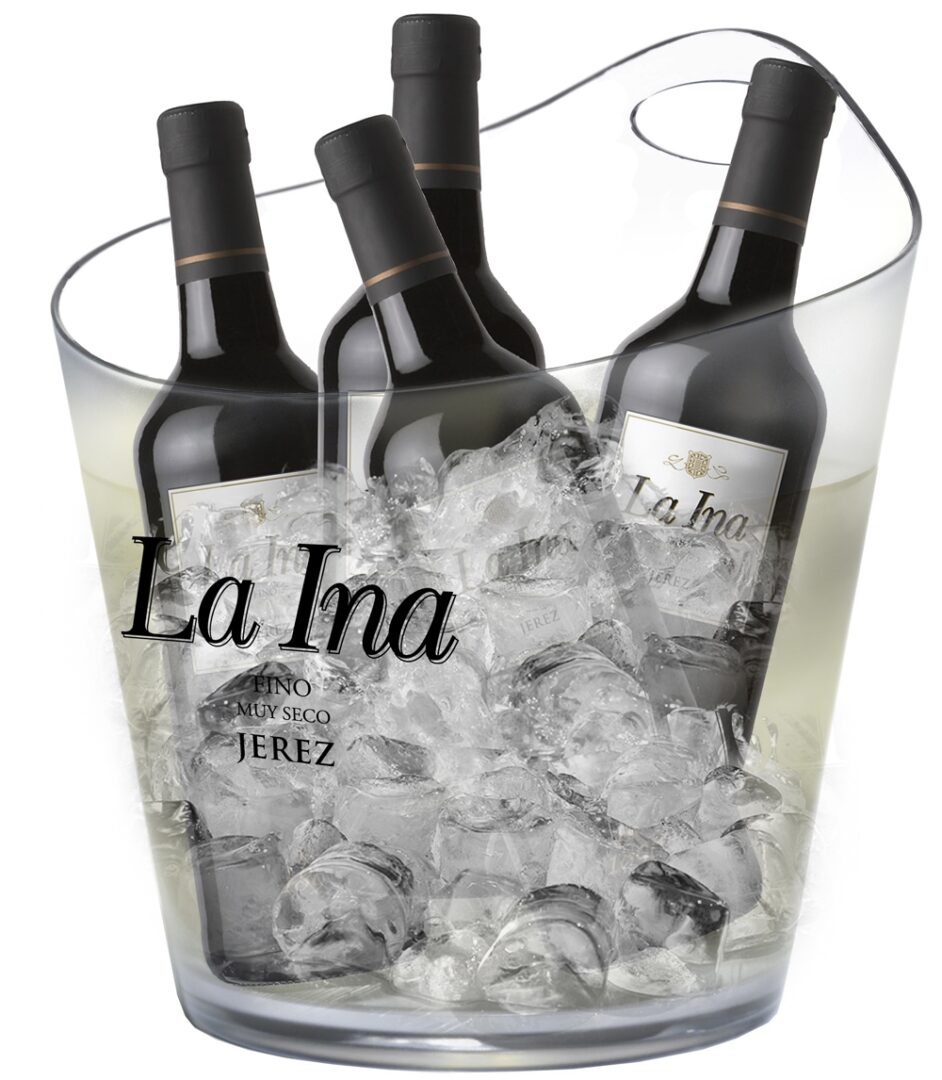
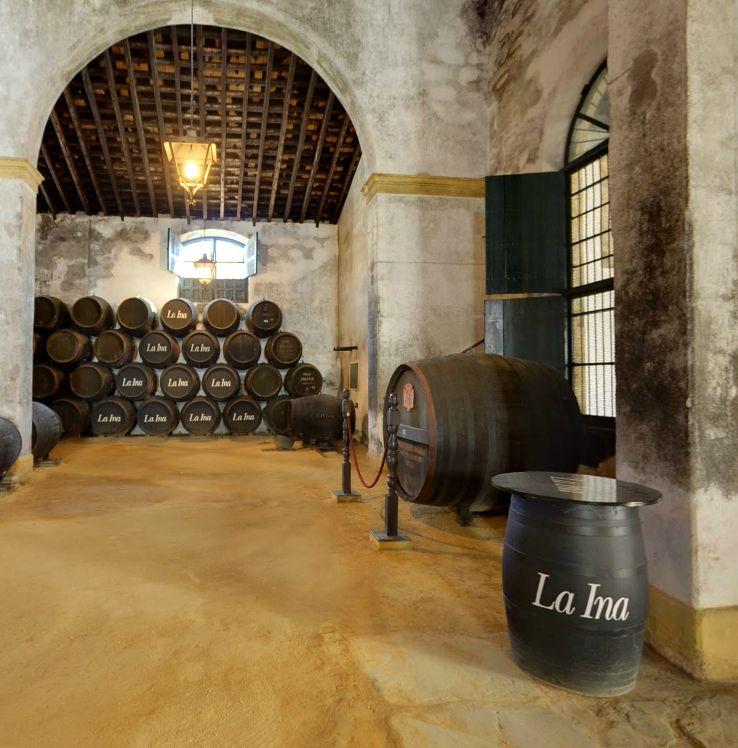
With origins dating back to 1919, La Ina is not just a brand but an actual solera. Begun and carefully nurtured by the Domecq family, it’s unique and unmistakable style light yet intense, with a pronounced flor and mineral character made it the quintessential fino, and thus the preferred choice wherever Andalucians meet, eat and drink. In bars and restaurants in Jerez, Cadiz and Seville, La Ina has long been, and still is, the fino the locals drink.
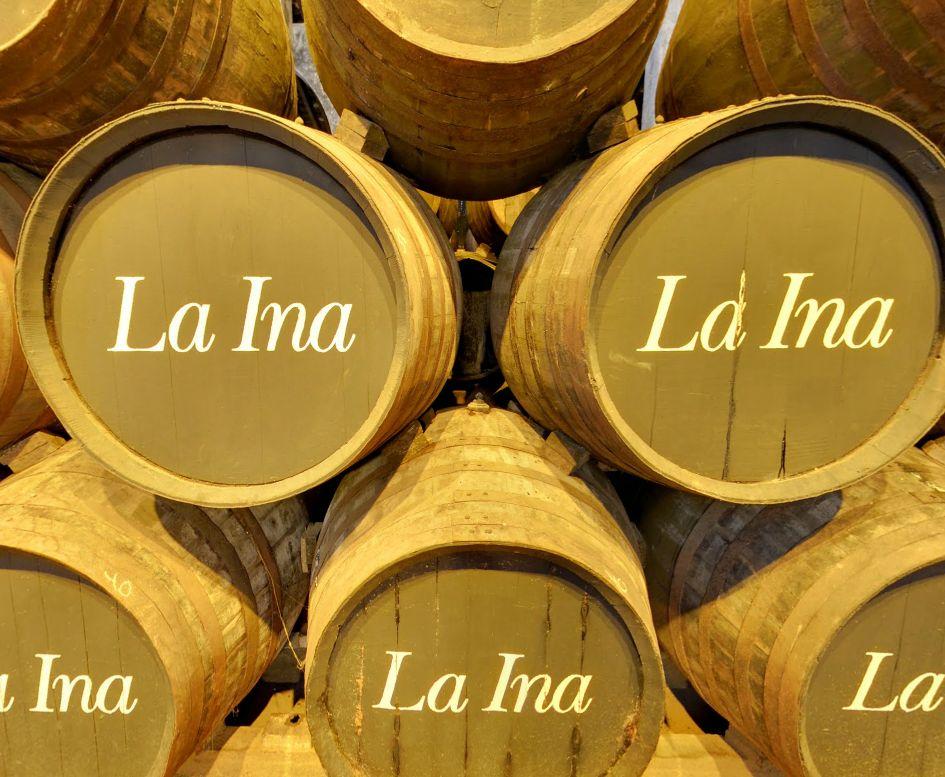
La Ina is one of 4 historic Domecq Sherry brands recently retrieved by the Caballero Group after a number of years of corporate horsetrading between the giant multinational drinks companies. But Caballero did not merely buy the brand, they bought the entire solera (some 4000 butts), so the character of La Ina remains true.
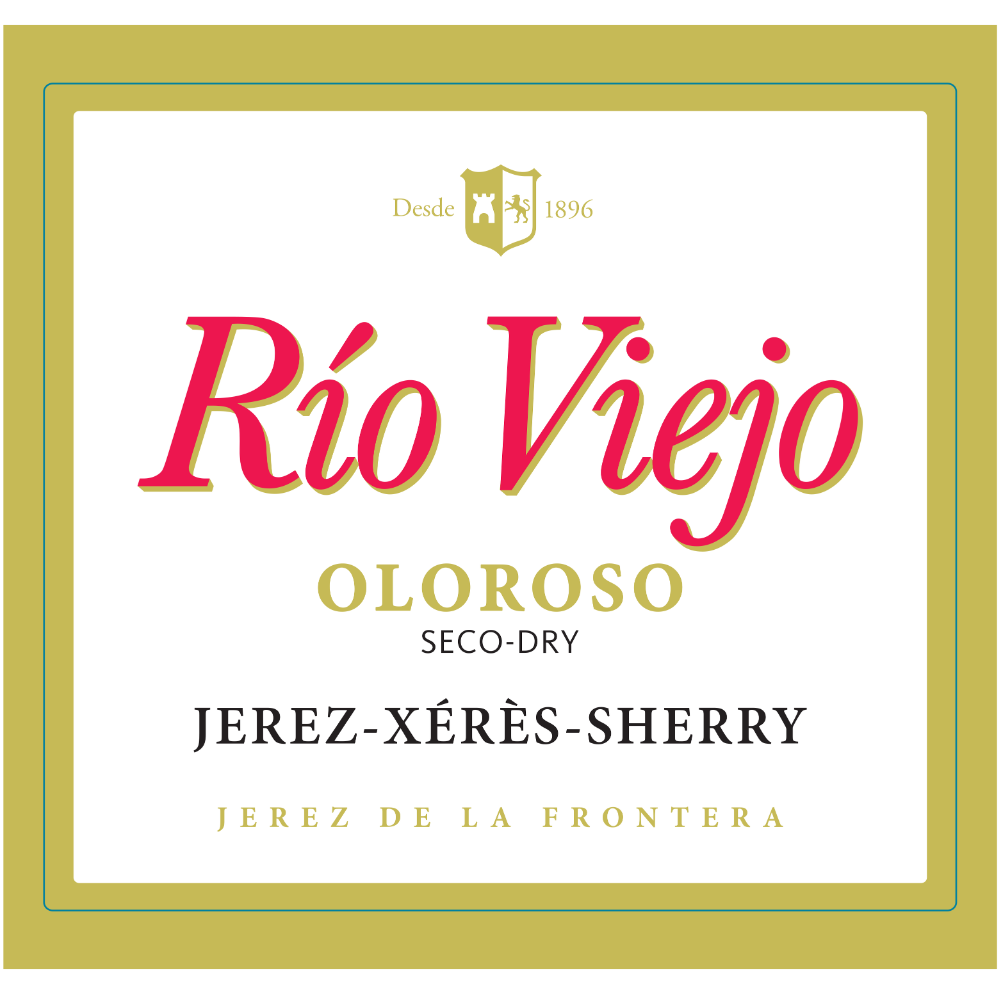
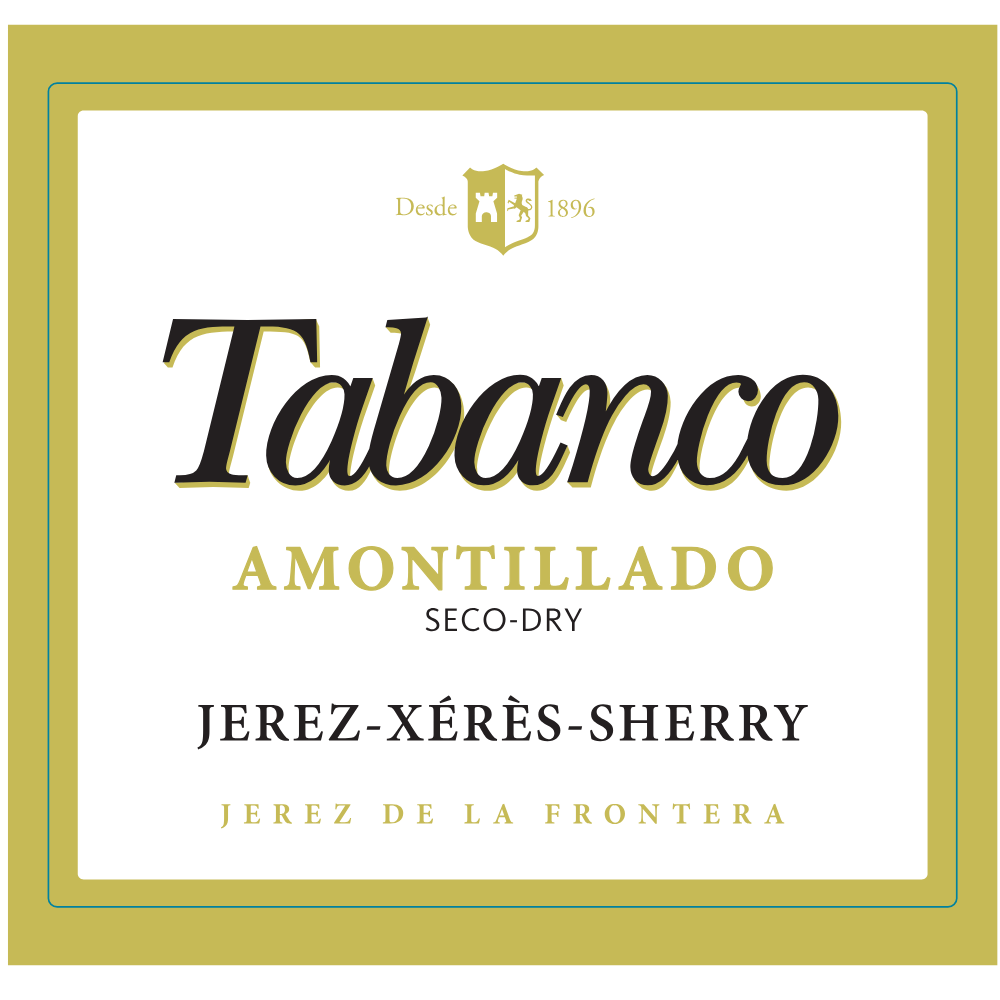
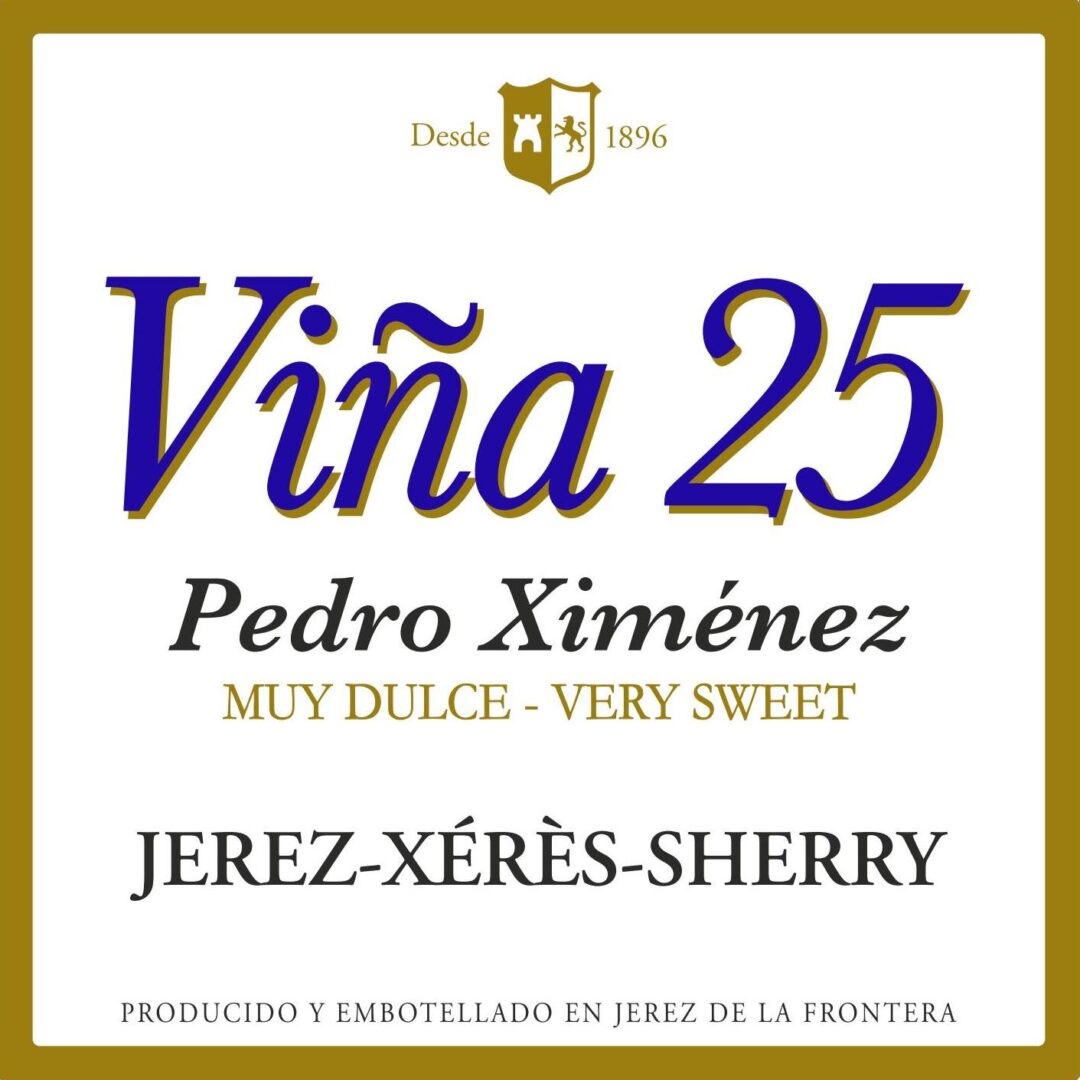
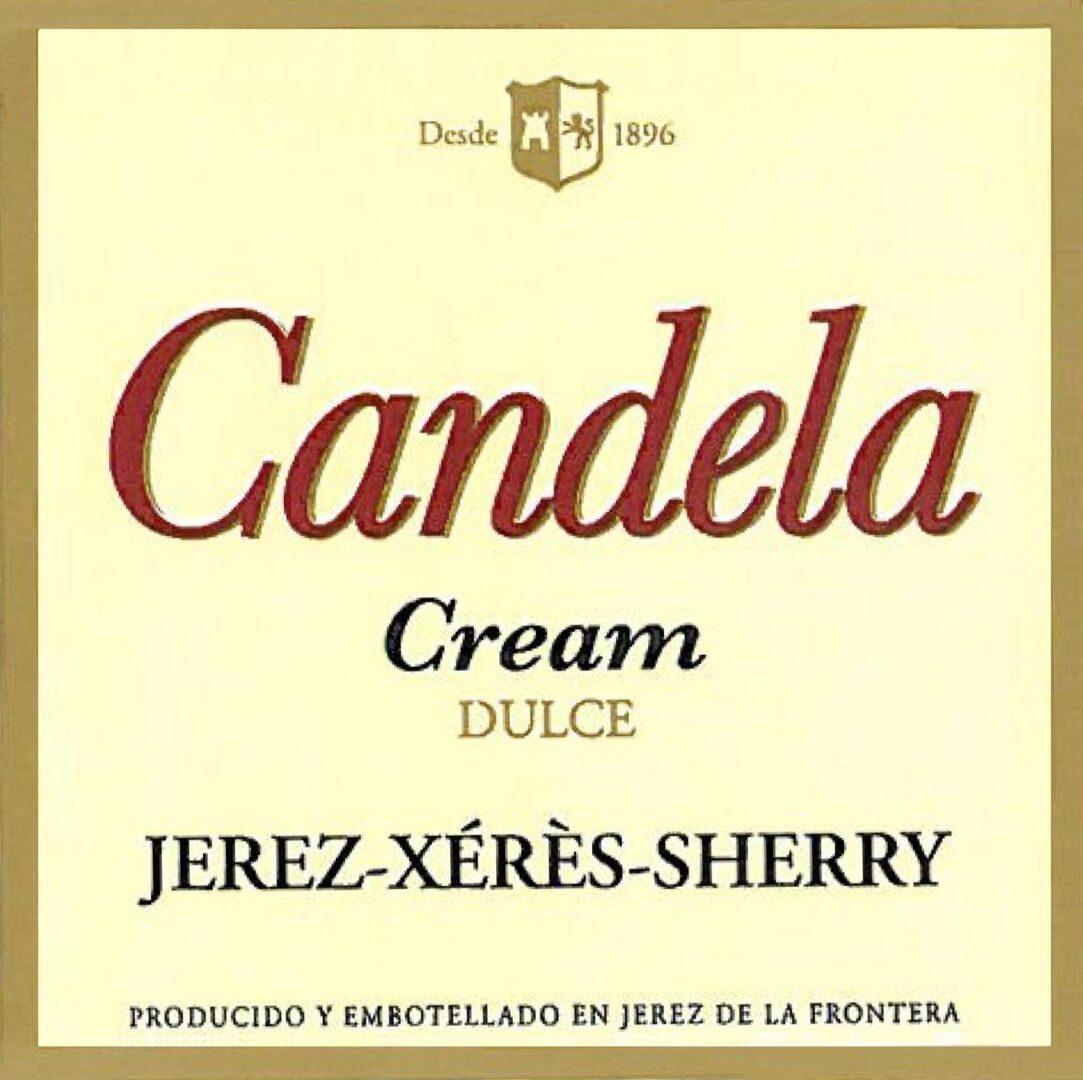
Along with Fino La Ina, the range is comprised of Manzanilla Macarena, Amontillado Botaina, Oloroso Rio Viejo, Candela Cream and PX Viña 25. Each is an authentic example of its category, and well-priced to boot.

Wines produced

Winery presentation

Owner / winemaker

Tempos Vega Sicilia Group

Region

Castilla Y Leon

Appellation

Ribera del Duero

Presentation

Just occasionally, drinks brands can become veritable cultural icons, representing the essence of a way of life, a distinct and proud national or regional identity. LA INA is one such drink.
With origins dating back to 1919, La Ina is not just a brand but an actual solera. Begun and carefully nurtured by the Domecq family, it’s unique and unmistakable style light yet intense, with a pronounced flor and mineral character made it the quintessential fino, and thus the preferred choice wherever Andalucians meet, eat and drink. In bars and restaurants in Jerez, Cadiz and Seville, La Ina has long been, and still is, the fino the locals drink.
 
La Ina is one of 4 historic Domecq Sherry brands recently retrieved by the Caballero Group after a number of years of corporate horsetrading between the giant multinational drinks companies. But Caballero did not merely buy the brand, they bought the entire solera (some 4000 butts), so the character of La Ina remains true.
Along with Fino La Ina, the range is comprised of Manzanilla Macarena, Amontillado Botaina, Oloroso Rio Viejo, Candela Cream and PX Viña 25. Each is an authentic example of its category, and well-priced to boot.

Wines produced

MACARENA MANZANILLA NV
LA INA, FINO NV
TABANCO AMONTILLADO NV
RIO VIEJO OLOROSO NV
CANDELA CREAM Sherry NV
VIÑA 25 P.X. NV

Grape varieties planted

Palomino Fino
Moscatel
Pedro Ximenez

Size of vineyard

Average age of the vines

Location

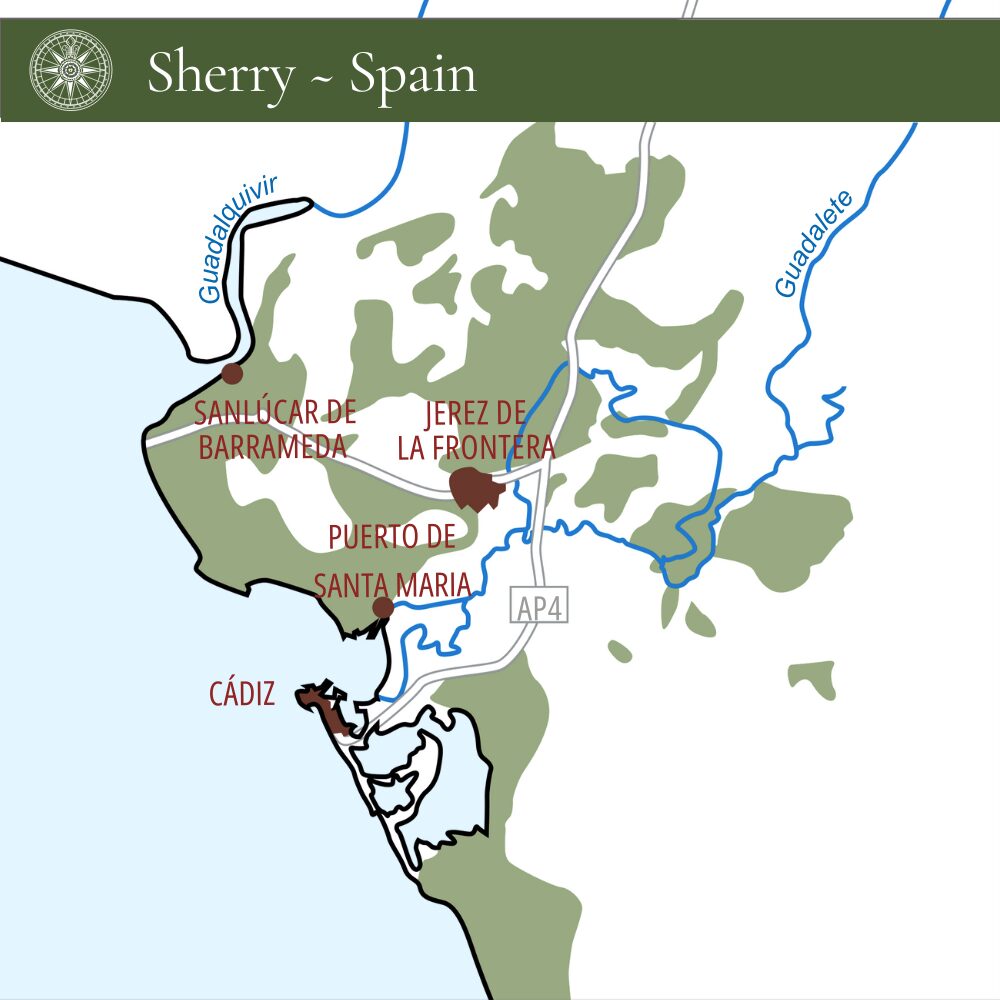
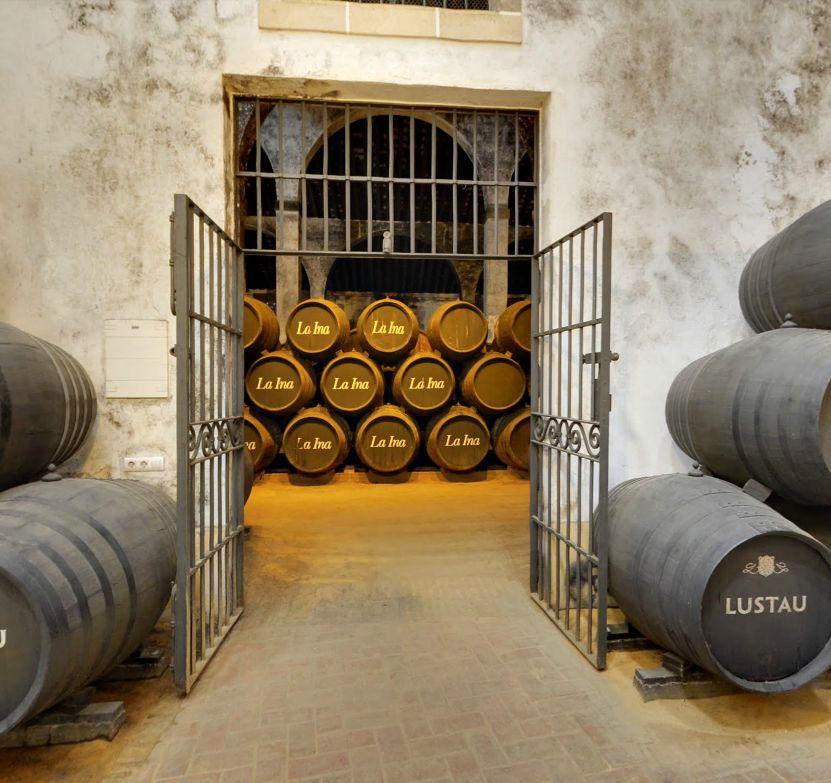
Since purchase by the Caballero Group, the La Ina solera has remained in its historic La Mezquita bodega, in order to preserve the original characteristics and particular style of the wine. This former Domecq bodega is now owned by Beam Global, but the Lustau team are responsible for day-to-day cellar management of the solera.
 
Meanwhile, the Botaina, Rio Viejo and Viña 25 solera have been successfully relocated to Lustau’s own bodegas in Jerez. As is obligatory for all Manzanillas, Macarena is aged in bodegas at Sanlucar de Barrameda, where the presence of the sea moderates the climate and increases flor activity.
 
Grapes for the “Sobretablas” base wines of all these sherries are sourced from Lustau’s own vineyard holdings, and from partner growers working to Lustau’s quality criteria.

Soils

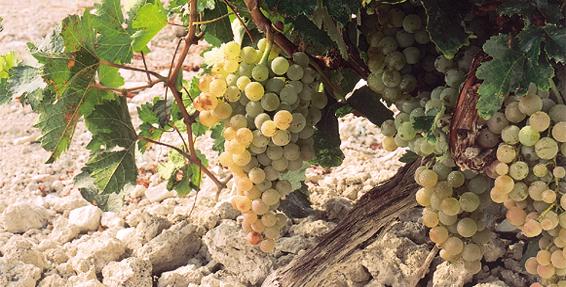
Classic chalk Albariza for La Ina, Macarena and Botaina, sand and clay for the Oloroso, Cream and PX.

Viticulture & Winemaking

La Ina practices sustainable viticulture, using natural treatments only when necessary.

Vinification & Ageing: The dry base wine is produced in a modern winery with stainless steel and temperature control. For the La Ina Fino, the wine is lightly fortified to 15% ABV and aged under flor for extended periods, averaging 5–6 years before bottling, which gives it intense aromatics and a pronounced flor character. A small portion undergoes a second fortification and long oxidative ageing to produce the Botaina Amontillado, with an average age of 18 years.

Other styles also see long ageing: Rio Viejo Oloroso averages 12 years, Candela Cream 8 years, and Viña 25 Pedro Ximénez 10 years. The exception is Macarena Manzanilla, deliberately bottled at an average of 3 years to maintain freshness and delicate aromatics.

Across the range, careful attention to fortification, flor management, and oxidative ageing allows La Ina to achieve remarkable complexity, balance, and finesse while reflecting the unique terroir of Jerez.