Wines produced
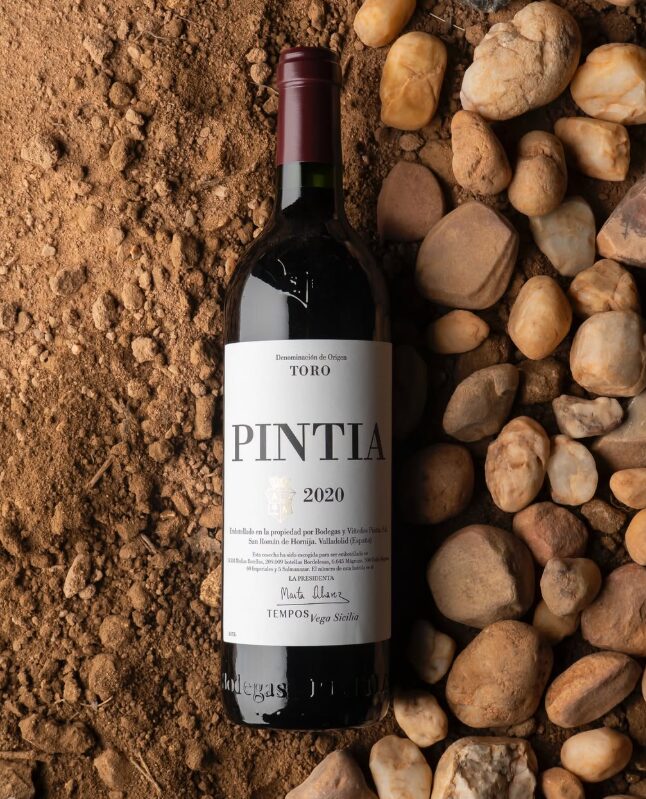
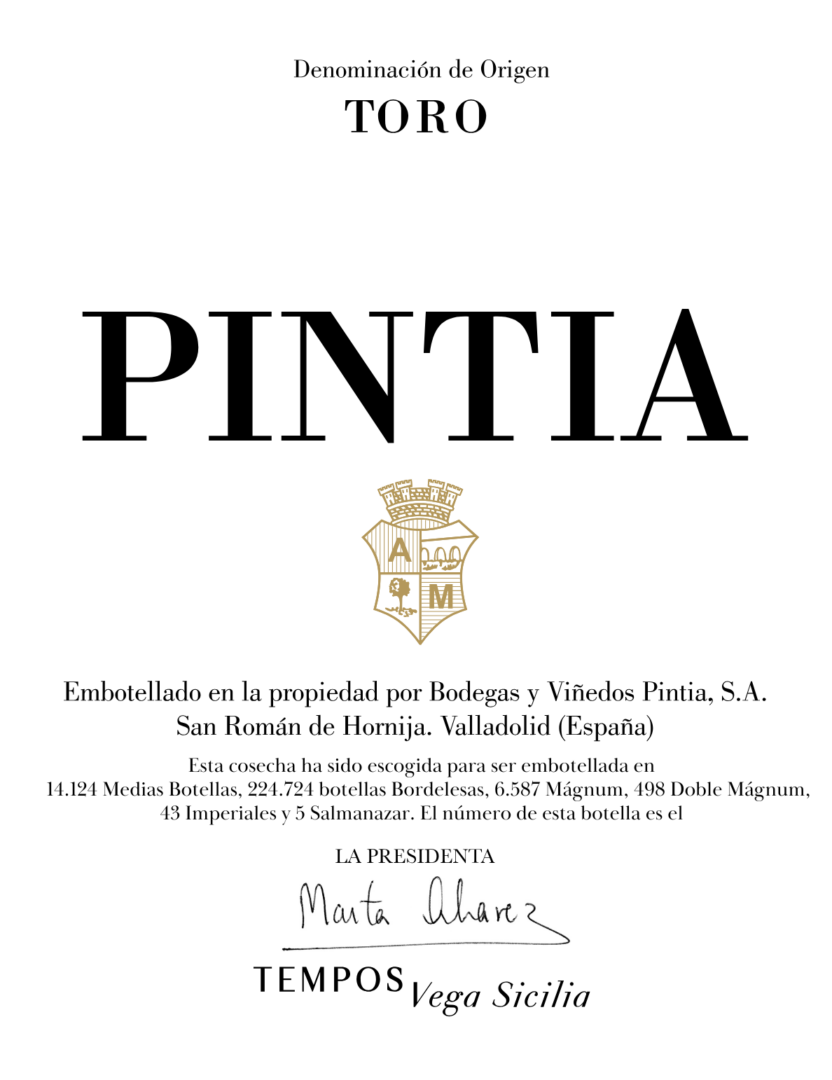
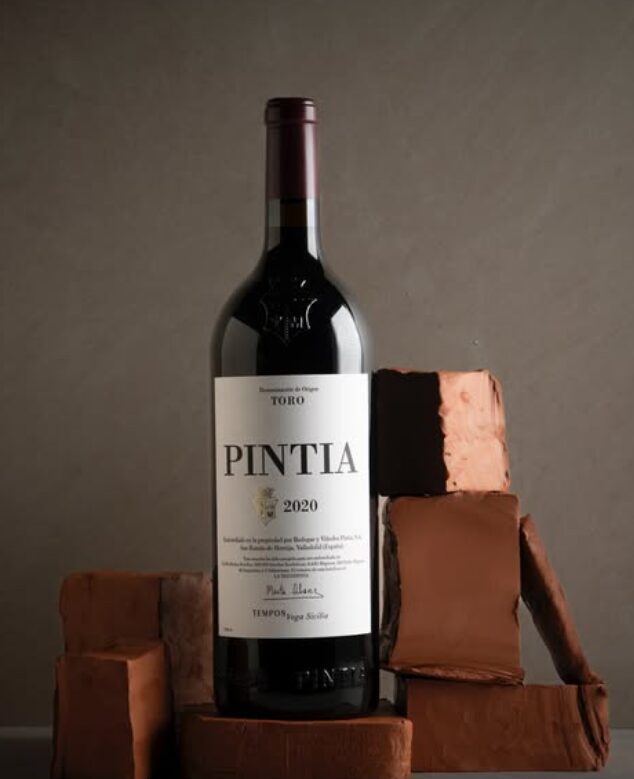
PINTIA TORO TINTO (RED)
Winery presentation
Presentation
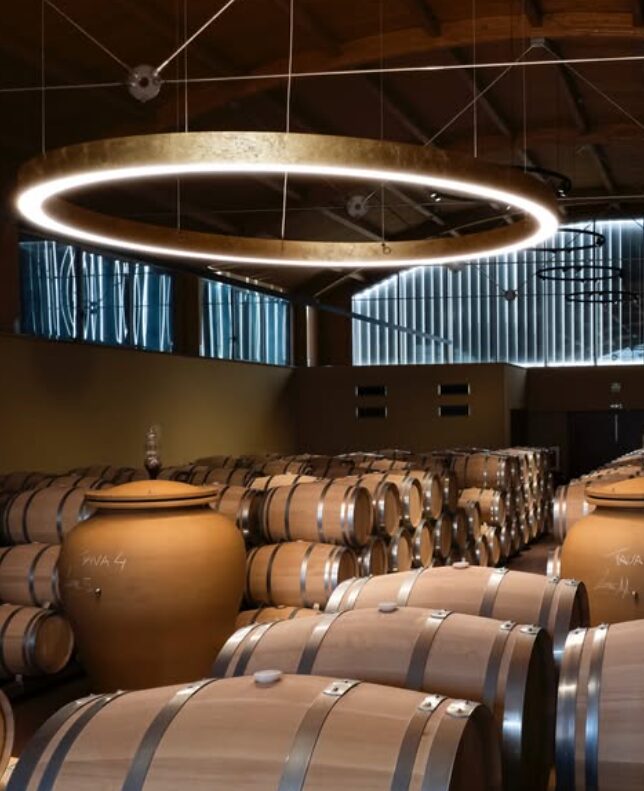
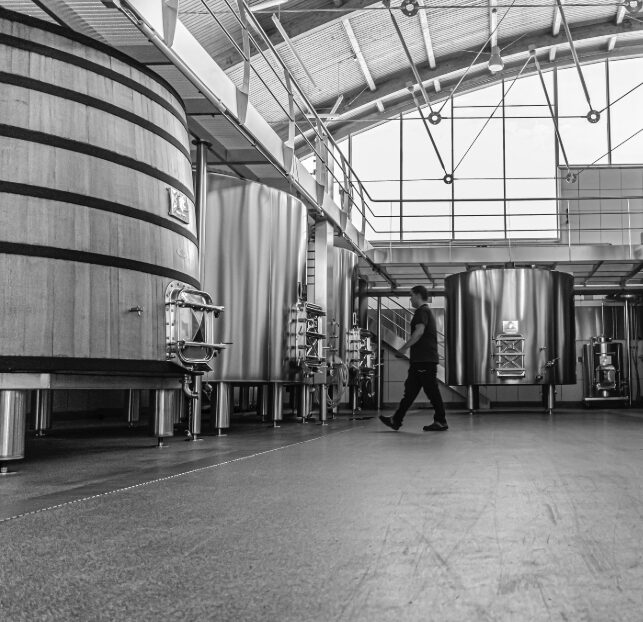
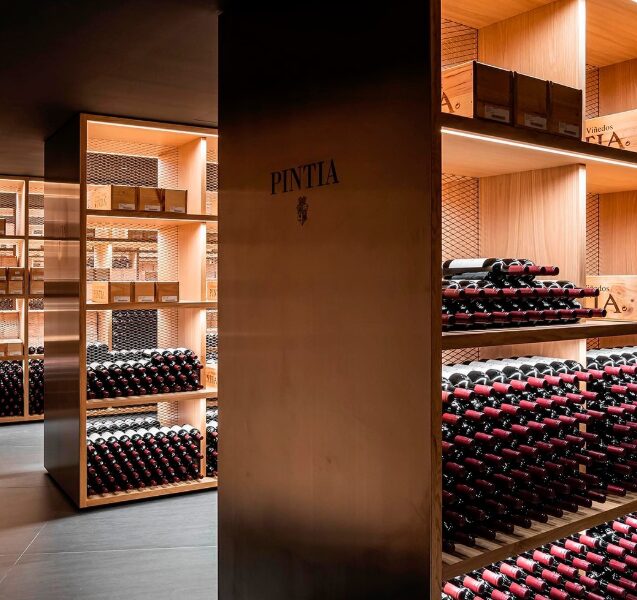
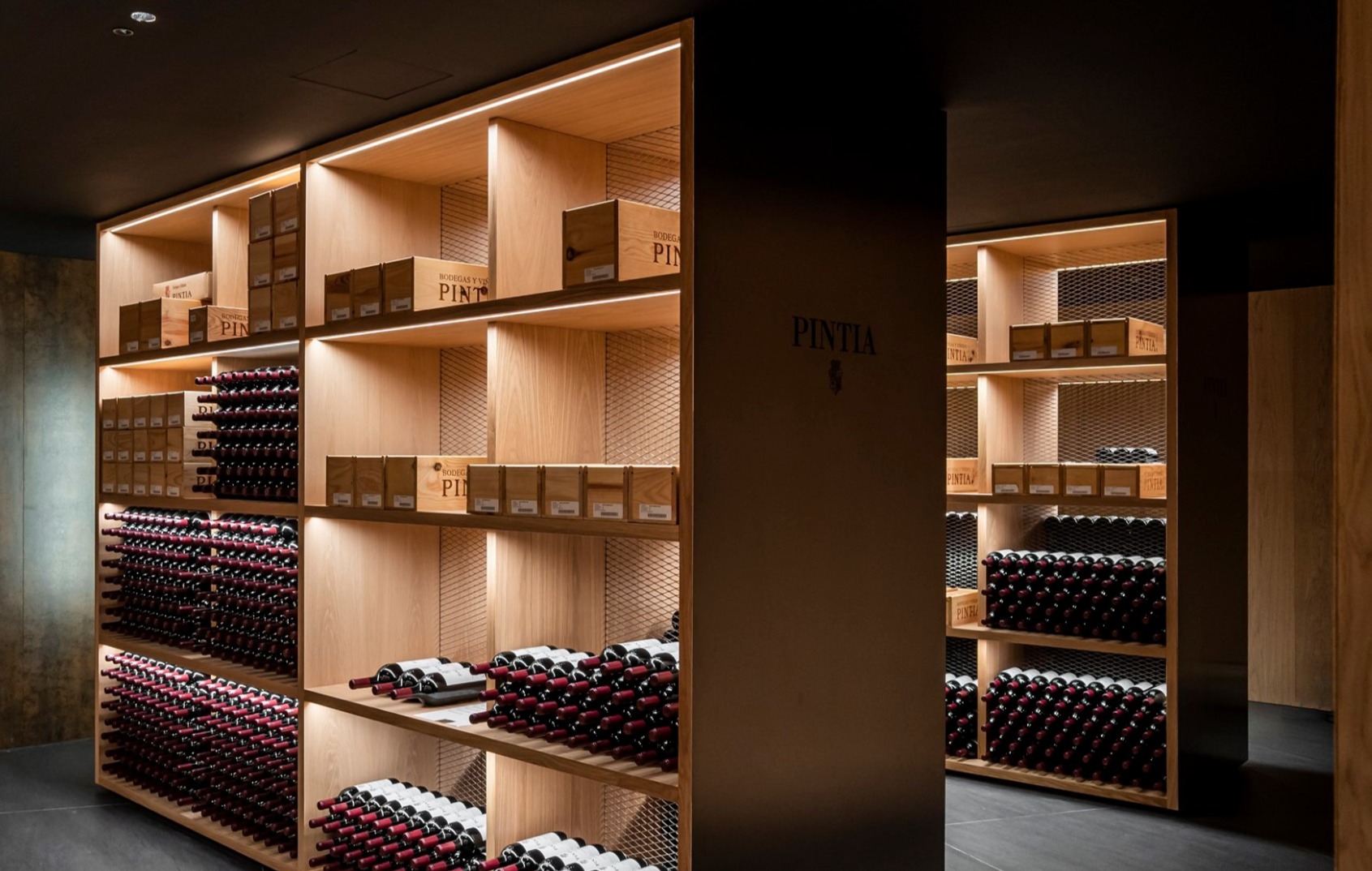
In 1995, the Álvarez family, building on the success of Vega Sicilia and Alión, set out to expand its wine projects. After a year of research, they focused on Toro, convinced of the Duero river’s winemaking potential. They purchased old vineyards in the boulder-strewn San Román de Hornija area and began extensive trials. Over four years, nearly a hundred vinification and ageing options were tested, leading to a clear objective: preserve the grape’s fruit while achieving maximum elegance in Toro’s austere environment. Winery construction began in 2000 and finished in 2006, resulting in a modern facility with cold-room grape reception, oak fermenting vats with cooling systems, a spacious barrel cellar, and a climate-controlled bottling area for extended bottle ageing. After many vintages, Pintia fulfils its aim of delivering refined wines from a rustic region. Depending on the year, ageing takes place 12 to 15 months in 70 percent French and 30 percent American oak, followed by at least 12 months in bottle. As with Alión, Pintia is a single-label wine, ensuring it always represents the best expression of each harvest.
Wines produced
PINTIA TORO TINTO (RED)
Grape varieties planted
Tinta de Toro (Tempranillo)
Size of Vineyard
The Pintia vineyard consists of a total of 96 hectares.
Average age of the vines
The mature vines are around 40 years old. The younger vines average 20 years old.
Location
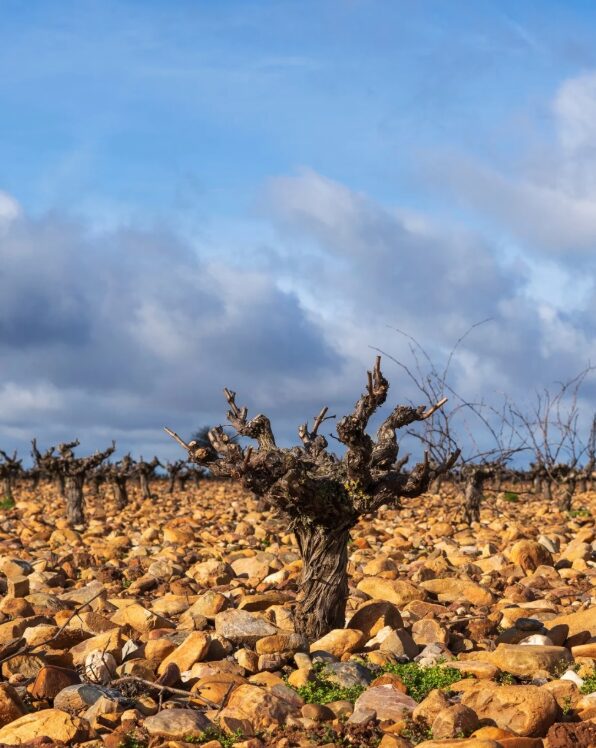
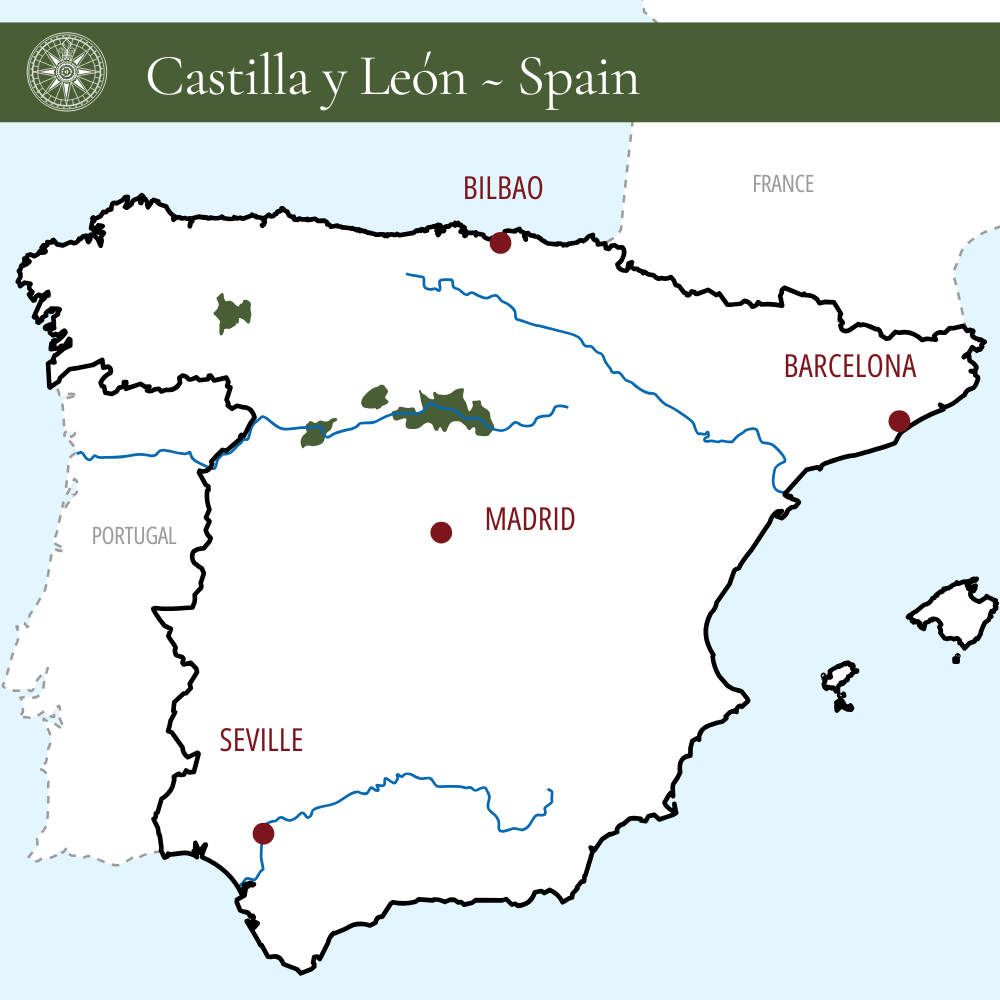
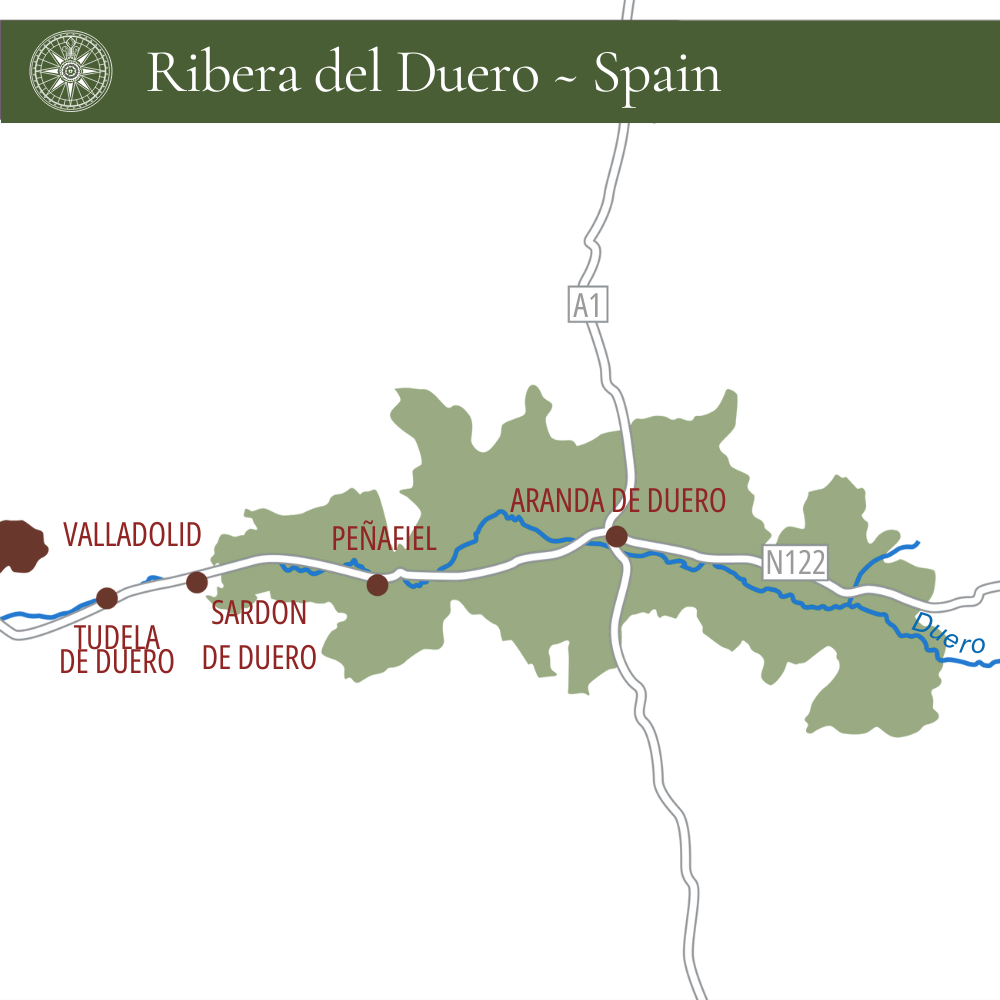
The magnificent new winery is located just outside the village of San Roman de Hornija, 50 km southwest of Valladolid in the Duero Valley. The altitude here is 500m above sea level. Vineyards are on gentle slopes at higher altitudes of up to 700m.
Soils
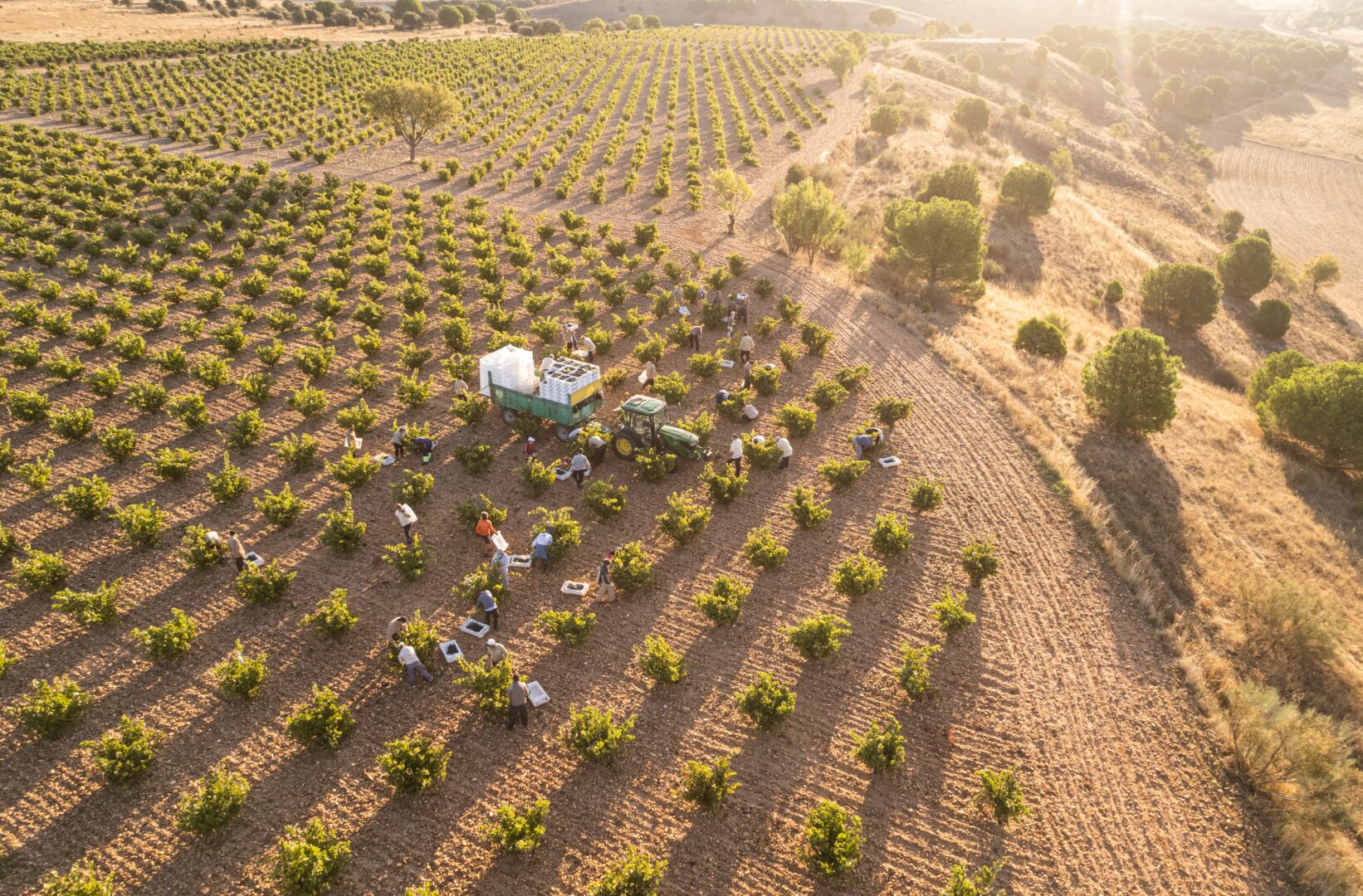
Located just outside San Román de Hornija, 50 km southwest of Valladolid. The soils are very stony, formed on alluvial deposits, which are part of the high terraces of the Duero River. They are located at about 700 meters above sea level, with a sandy, surface covering that facilitates infiltration and water reserve. They are mainly spread over two differentiated plots.
Viticulture & Winemaking
Sustainable without the use of any chemical fertizers, insecticides or herbicides.
Grapes are hand-harvested into 12‑kg boxes and undergo an initial selection in the vineyard, followed by a second meticulous sorting on arrival at the winery. The fruit is gently conveyed to cooling chambers to preserve freshness. Fermentation takes place in wooden tanks under controlled temperatures to ensure optimal extraction and aromatic balance. Ageing follows in 225‑litre oak barrels, 70% French and 30% American, using a combination of new and previously used barrels for approximately 12 months. After barrel maturation, the wine rests in bottle for a minimum of 12 months, allowing the integration of oak, refinement of texture, and development of complex aromas. This careful approach ensures that each wine reflects both the quality of the high-altitude vineyards and the character of the Tinto Fino (Tempranillo) grapes, producing a structured, elegant, and expressive wine ready for long-term ageing.