Wines produced
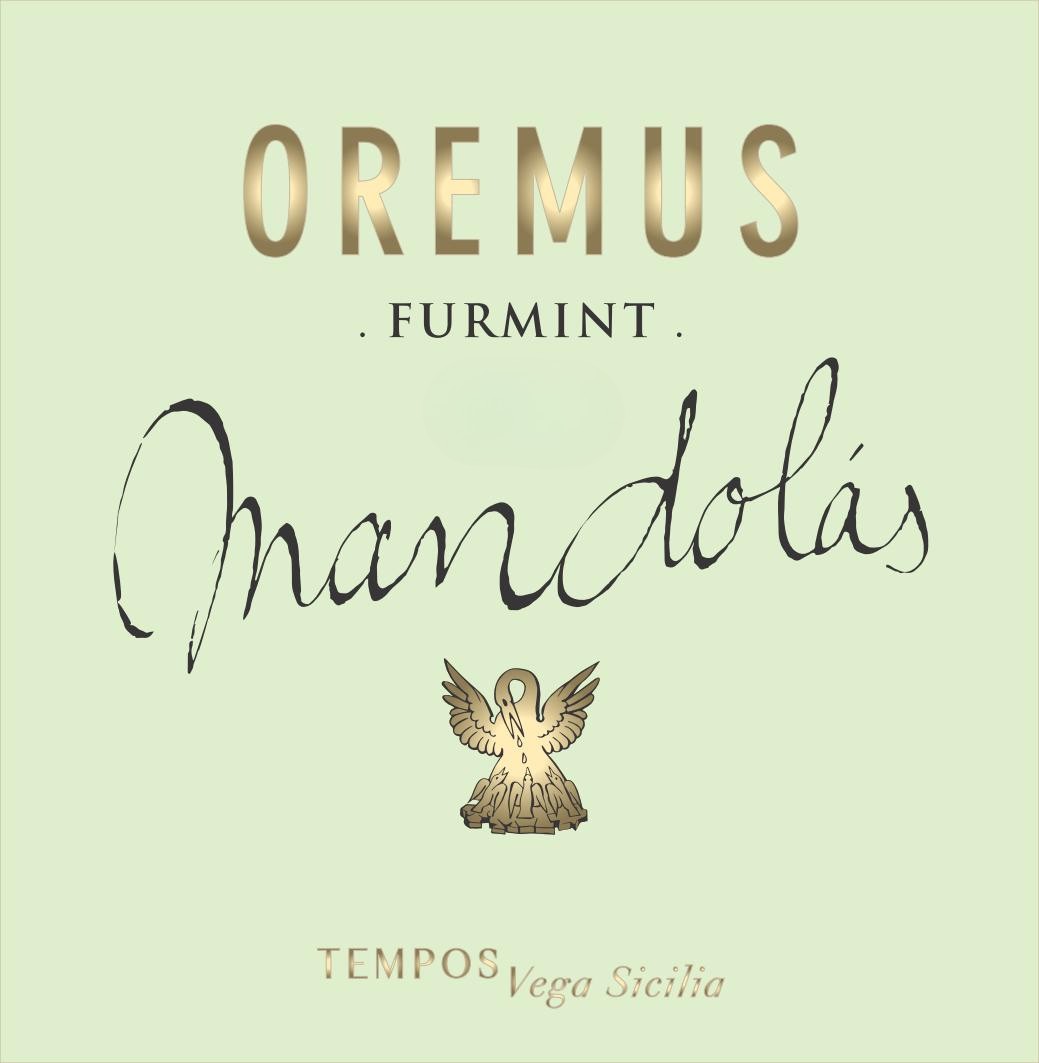
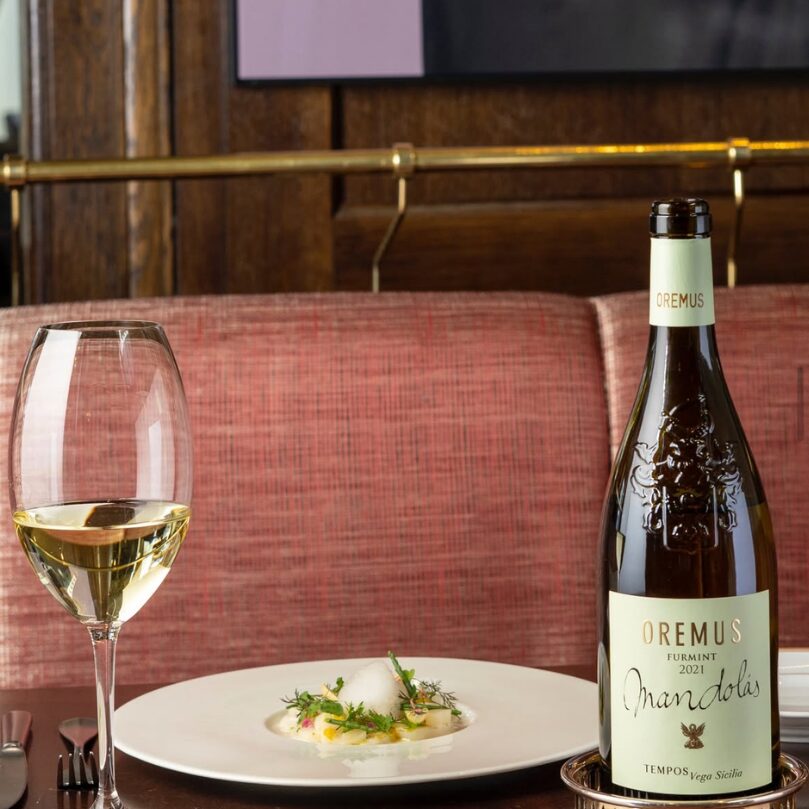
FURMINT DRY MANDOLAS TOKAJI (WHITE)
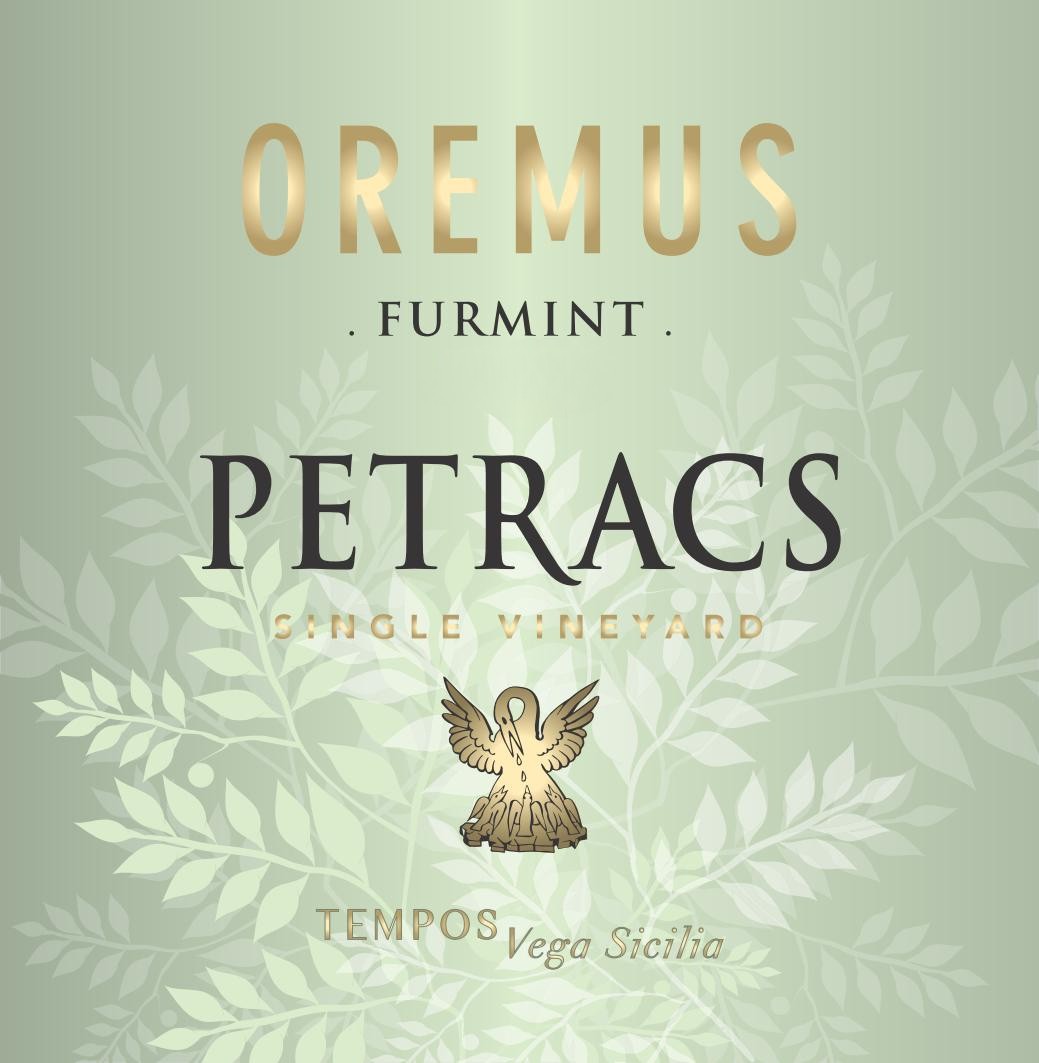
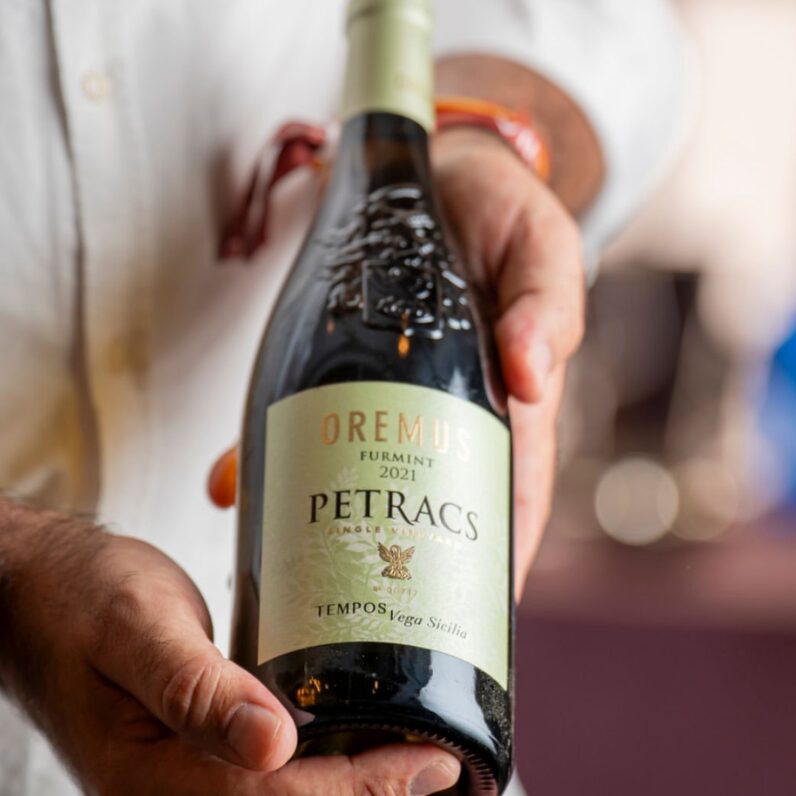
PETRACS TOKAJI (WHITE)
LATE HARVEST TOKAJI (WHITE)
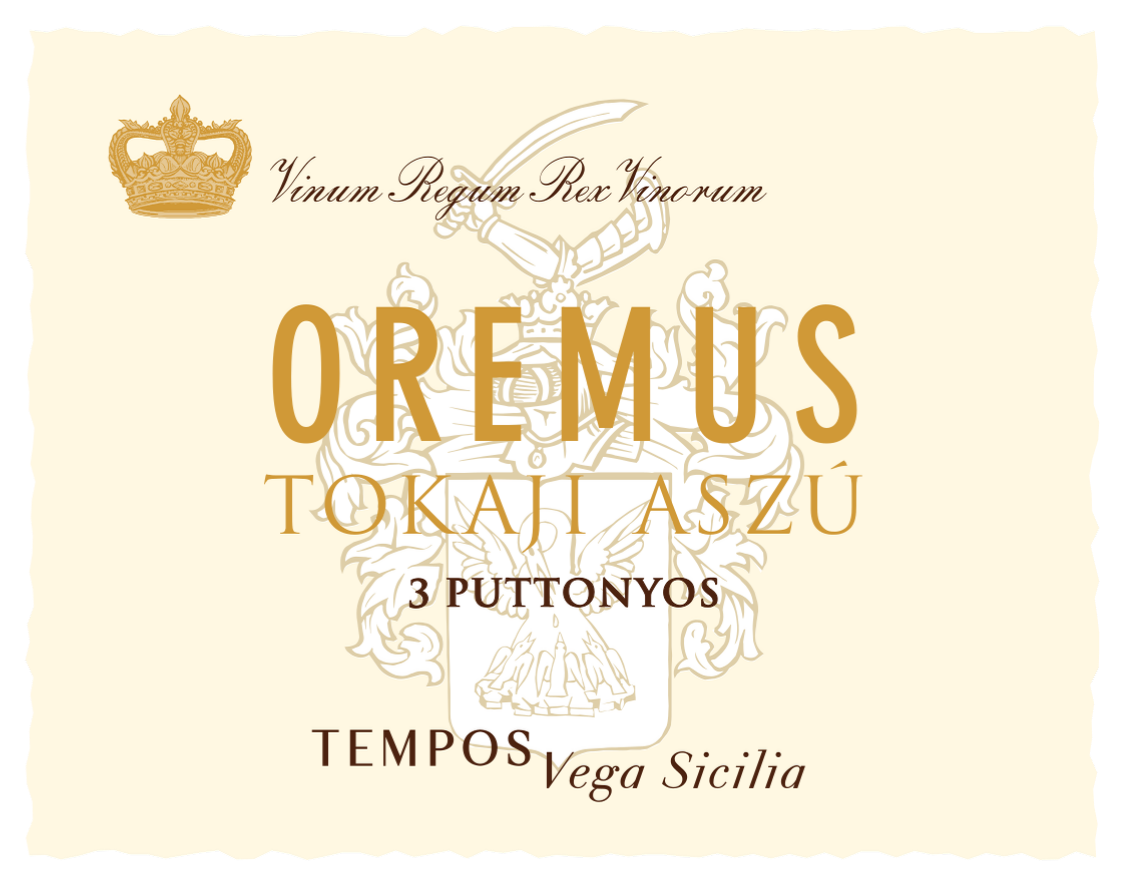
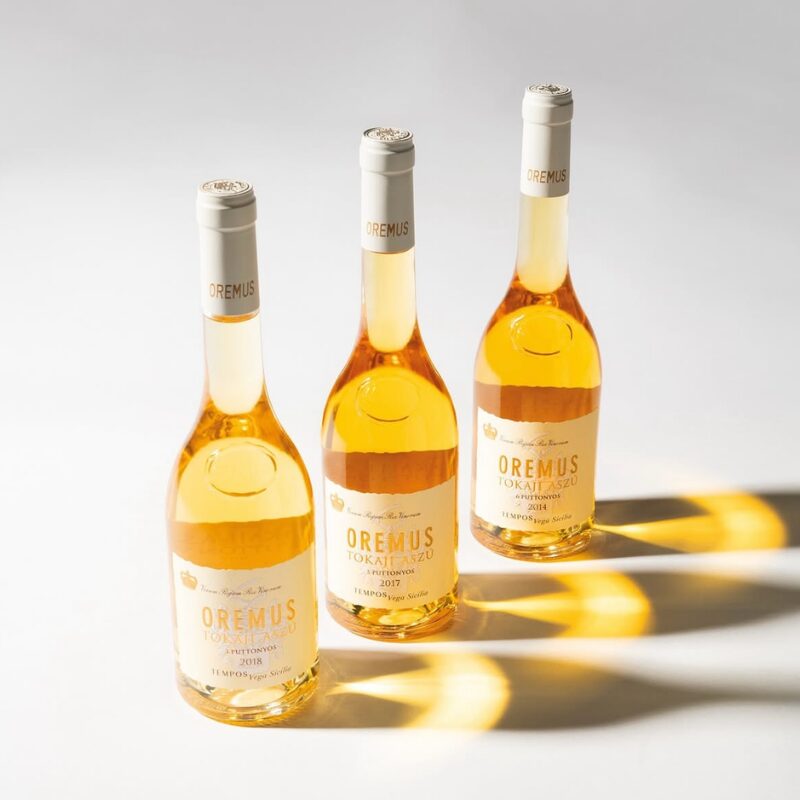
ASZU 3 PUTTONYOS TOKAJI (WHITE)
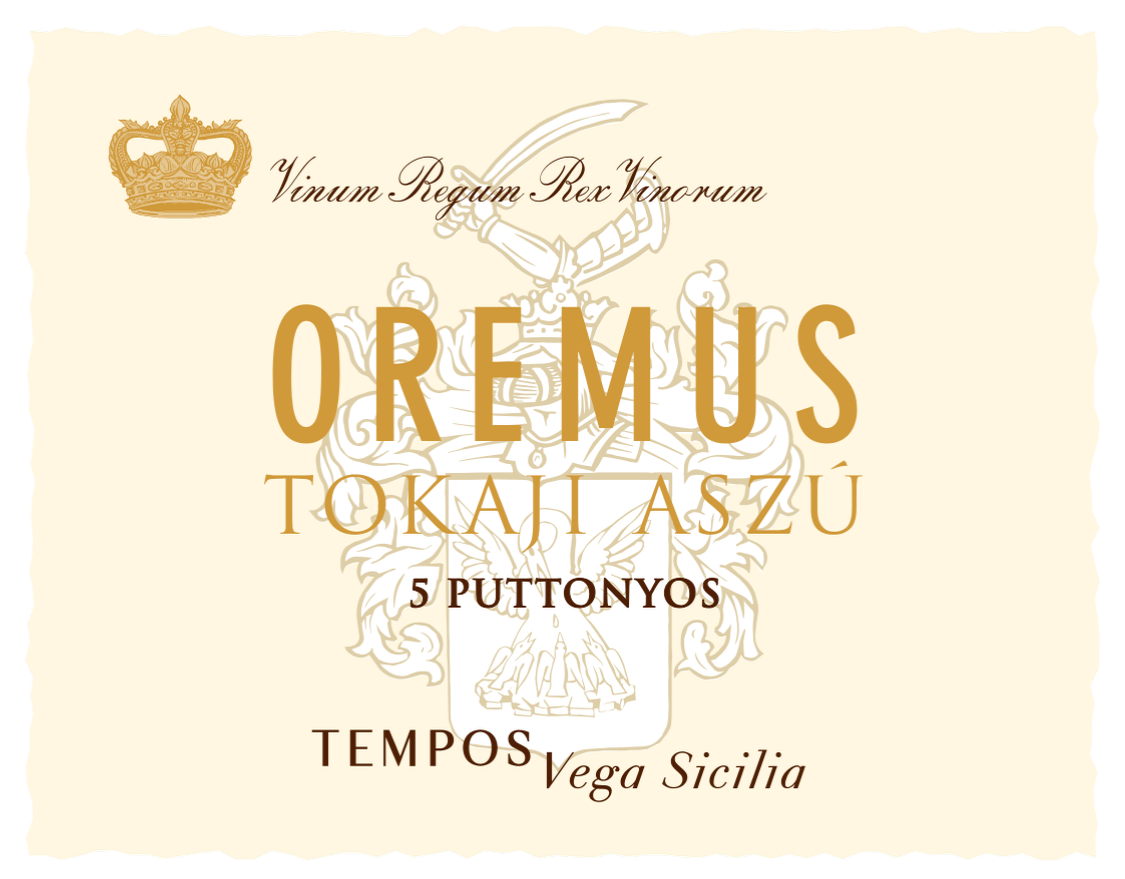
ASZU 5 PUTTONYOS TOKAJI (WHITE)
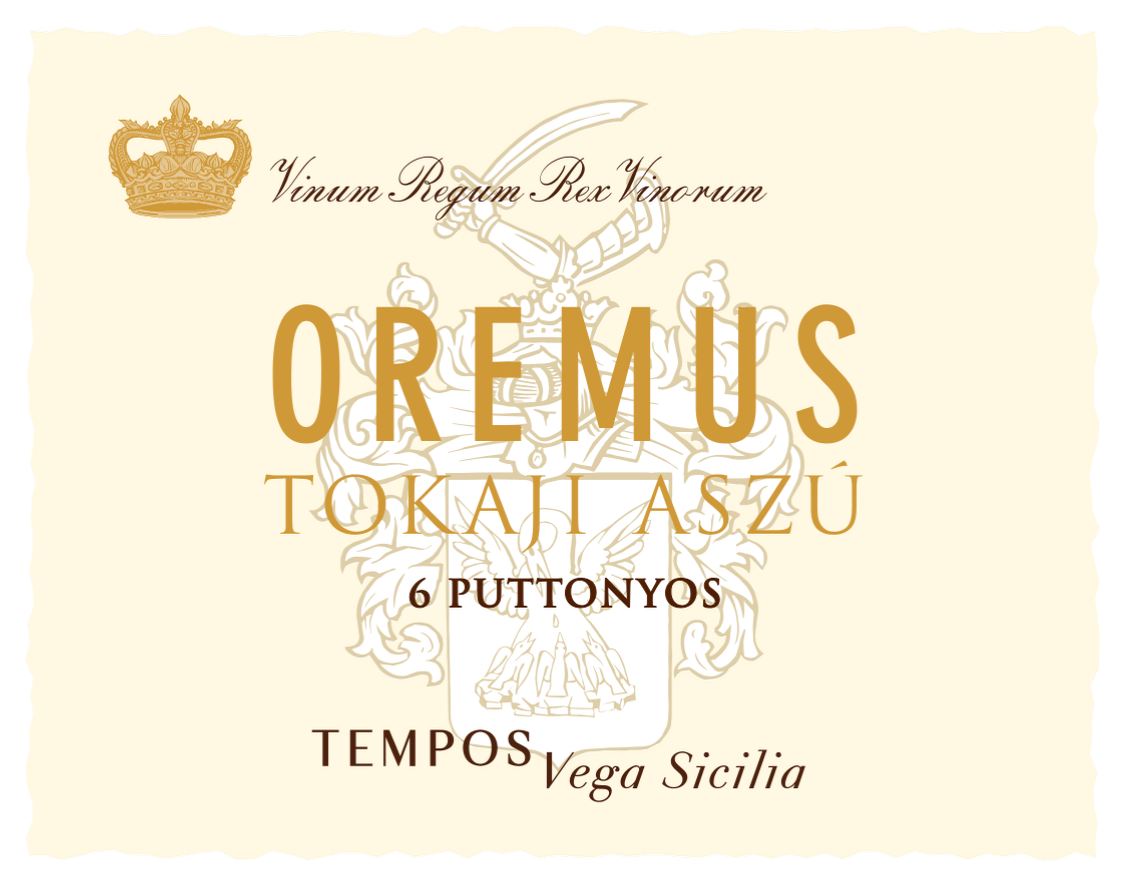
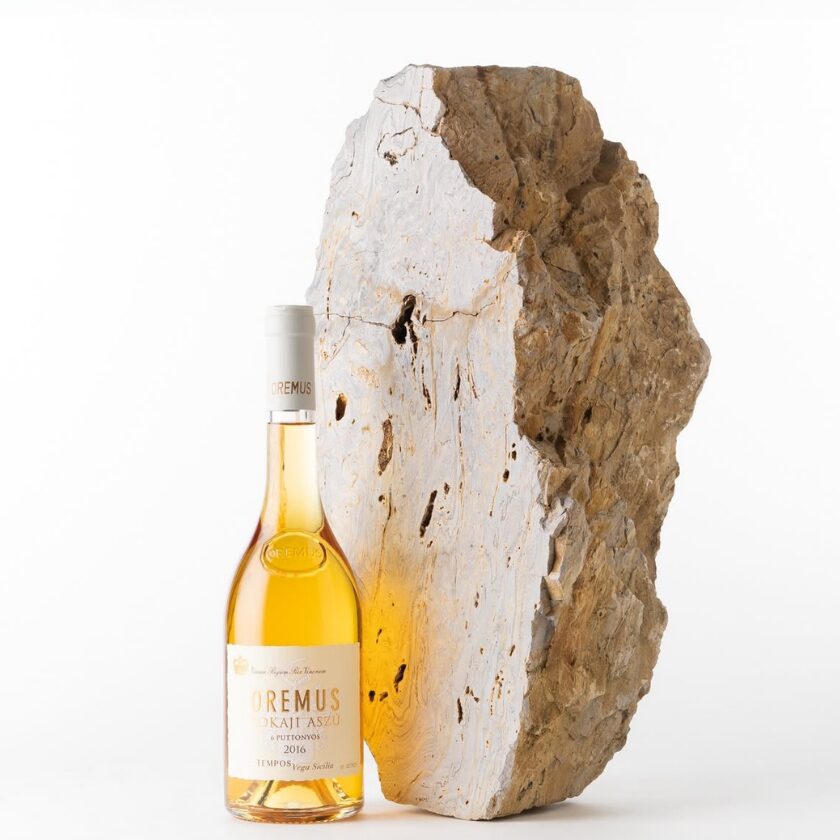
ASZU 6 PUTTONYOS TOKAJI (WHITE)
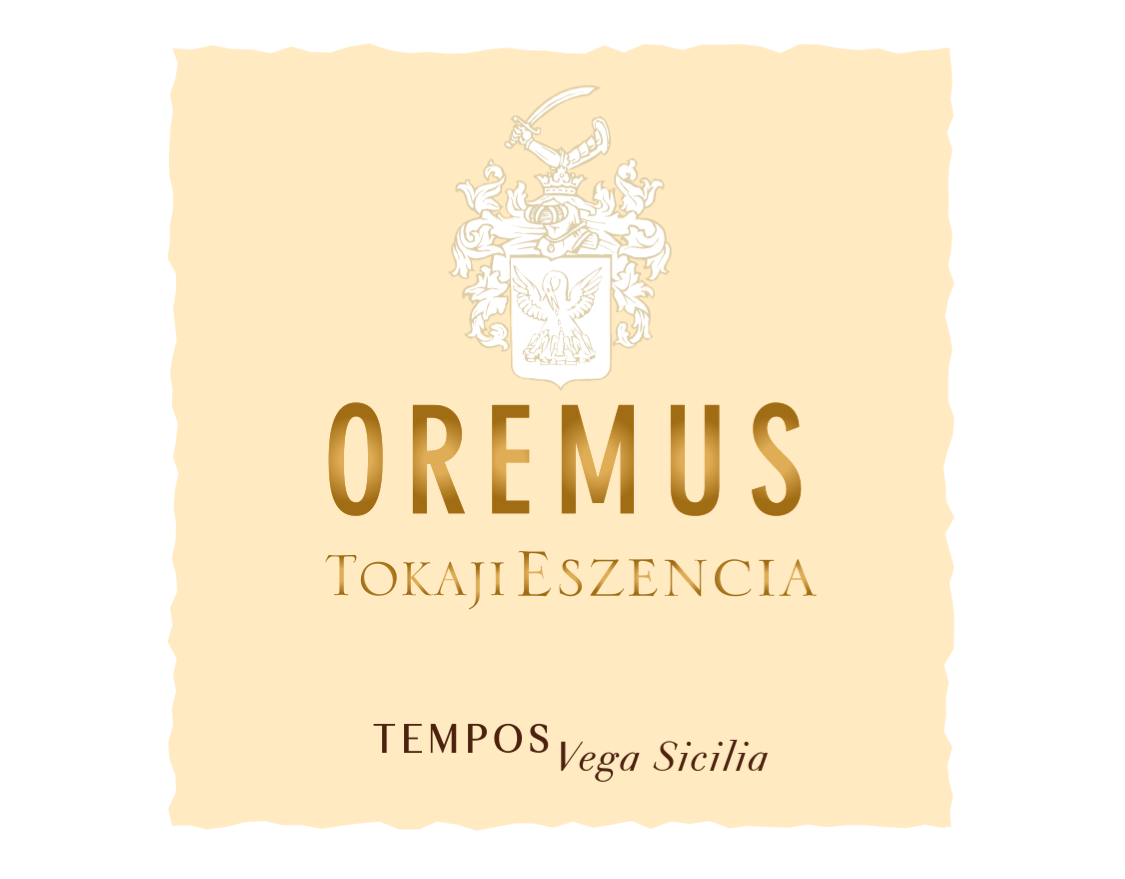
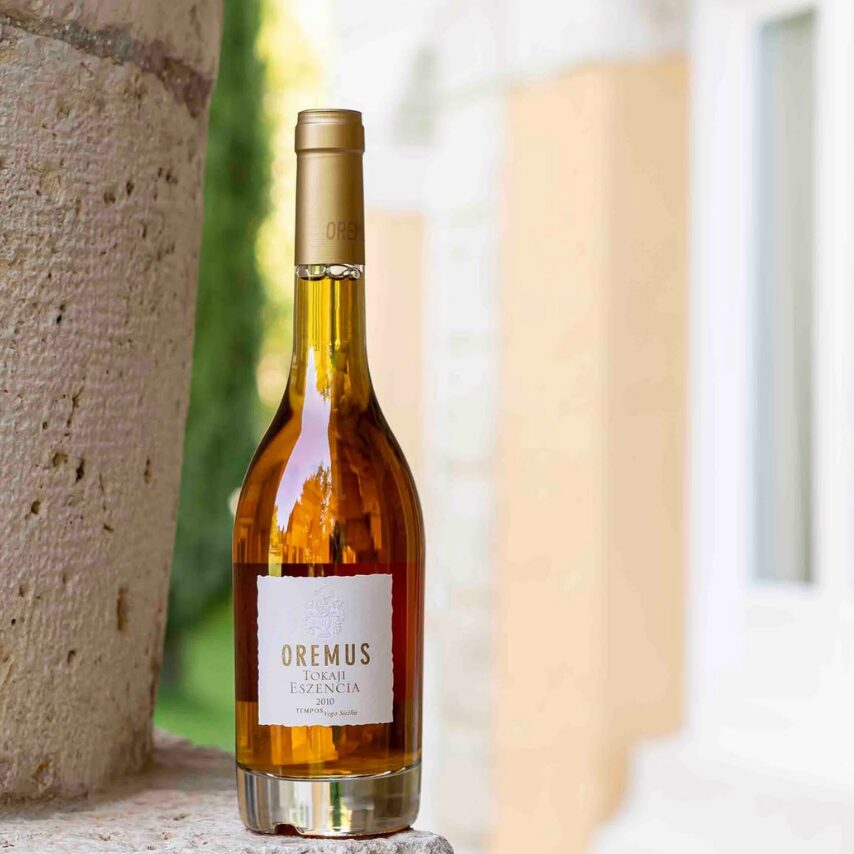
OREMUS ESZENCIA TOKAJI (WHITE)
Winery presentation
Presentation
Tokaji needs no introduction – one of the greatest and most distinctive sweet wines in the world. In the 18th century, it was the most sought-after wine in Europe, served to princes, kings, and czars alike. Louis XIV famously called it “Wine of Kings and King of Wines,” though he had been persuaded with several barrels of Eszencia. Tokaji producers had harnessed the benefits of noble rot by 1650, giving them a century’s lead over the Germans and nearly two centuries over Sauternes. The Tokaj region was officially delimited in 1737, with the world’s first vineyard classification introduced in 1772. Under communism, however, fine winemaking suffered, as state collectives prioritized quantity over quality. After the Iron Curtain fell, true Tokaji was more legend than reality, revered by a few old connoisseurs. Yet its allure was undeniable, attracting both romantics and investors. Vega Sicilia’s Pablo Alvarez embraced a philosophy of excellence: “if you’re going to do it, do it right.” He secured top vineyards and ideal underground cellars, where constant temperature, high humidity, and beneficial molds create perfect conditions for long ageing. The estate, renamed Oremus, brought together local and international winemakers under Andras Backsos, a master of the former state vineyards. Today, Oremus wines live up to this ambition. Their classic Aszú dessert wines are pure, precise, and beautifully balanced, with mineral-driven energy and remarkable length. Oremus has also pioneered two new styles: a refined dry white from the spicy Furmint grape, and a Late Harvest Tokaji, crafted in a Beerenauslese style from partially botrytized bunches.
Wines produced
FURMINT DRY MANDOLAS TOKAJI (WHITE)
PETRACS TOKAJI (WHITE)
LATE HARVEST TOKAJI (WHITE)
ASZU 3 PUTTONYOS TOKAJI (WHITE)
ASZU 5 PUTTONYOS TOKAJI (WHITE)
ASZU 6 PUTTONYOS TOKAJI (WHITE)
OREMUS ESZENCIA TOKAJI (WHITE)
Grape varieties planted
Furmint
Harslevelu
Zeta
Sarga Muskotaly (Yellow Muscat)
Size of Vineyard
115 hectares, all classified as ‘First Growth’
Average age of the vines
25 years on average. Petracs vineyard is over 60 years old.
Location
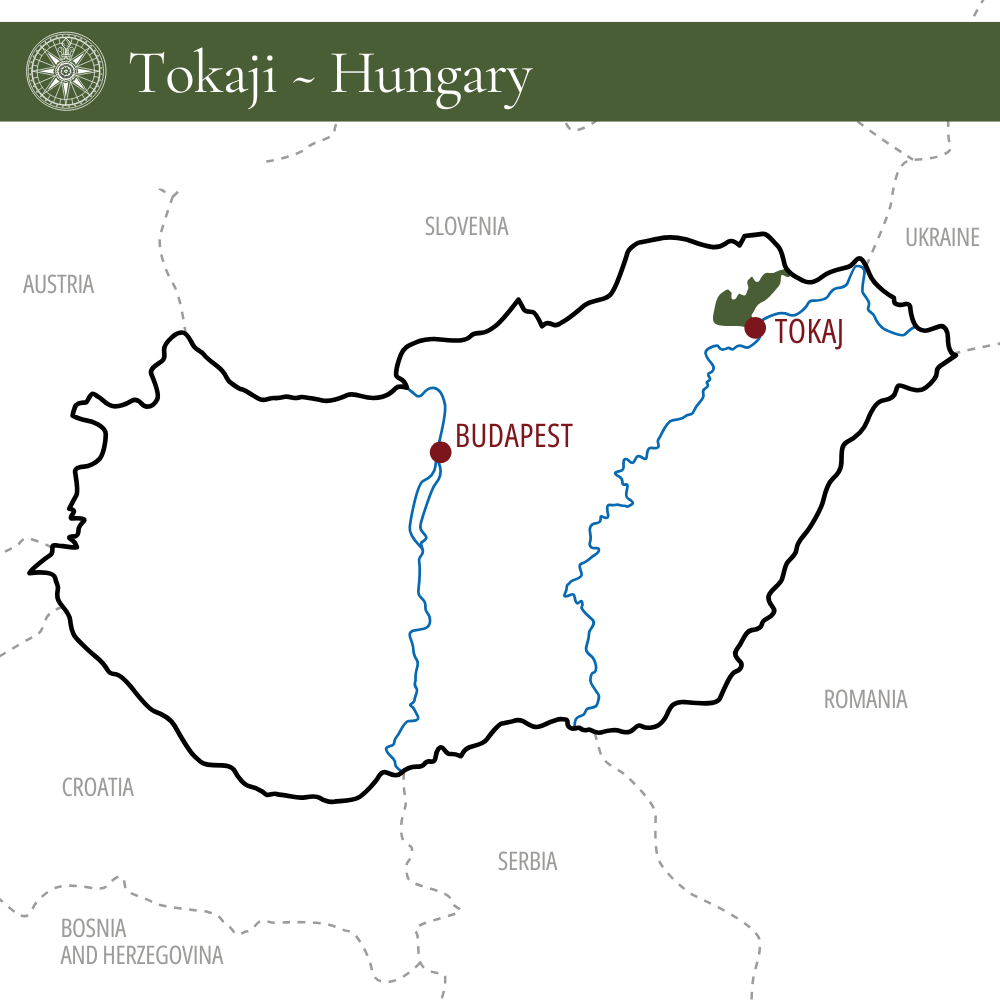
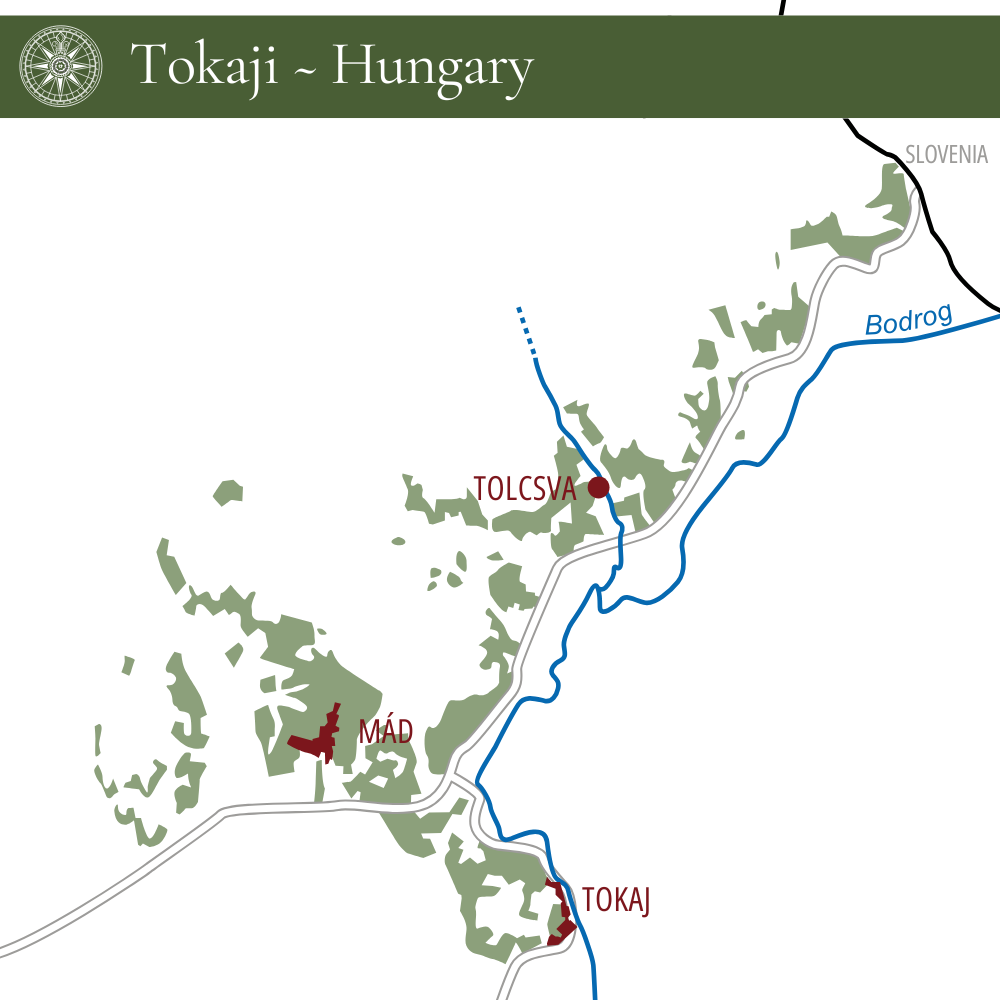
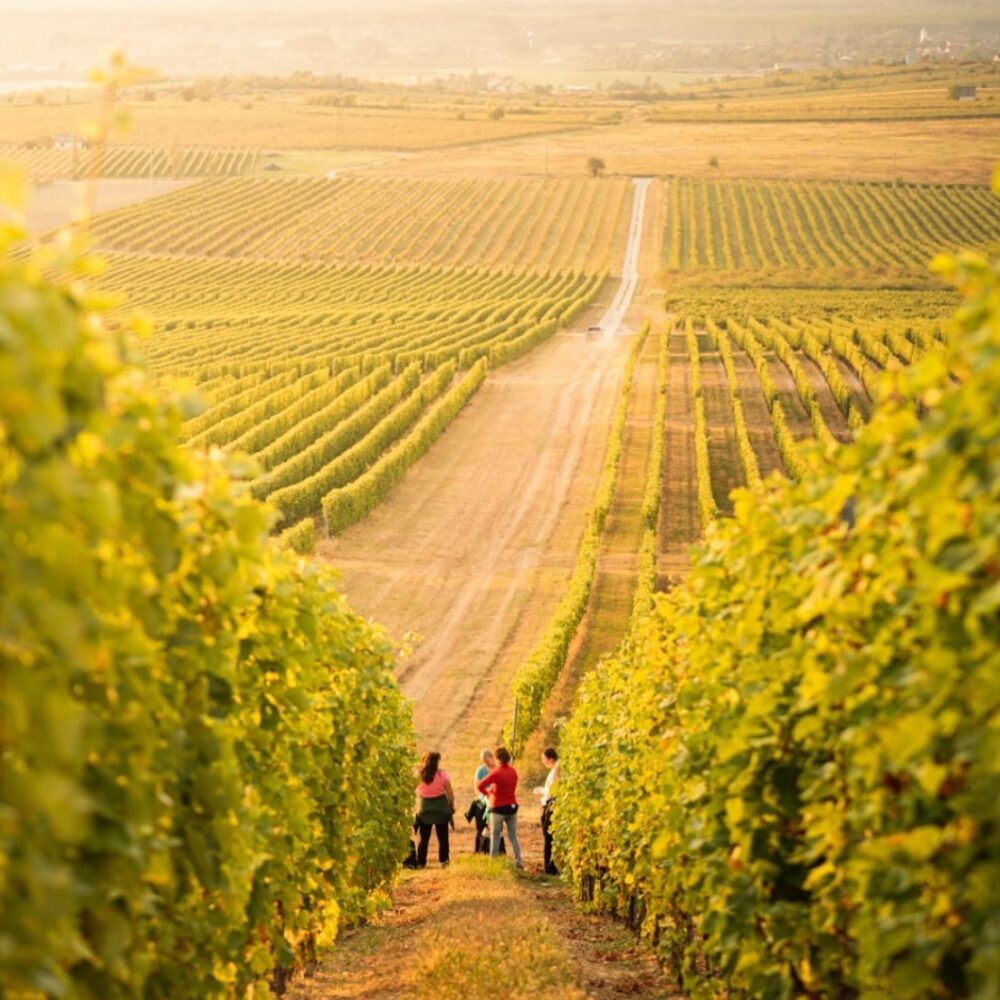
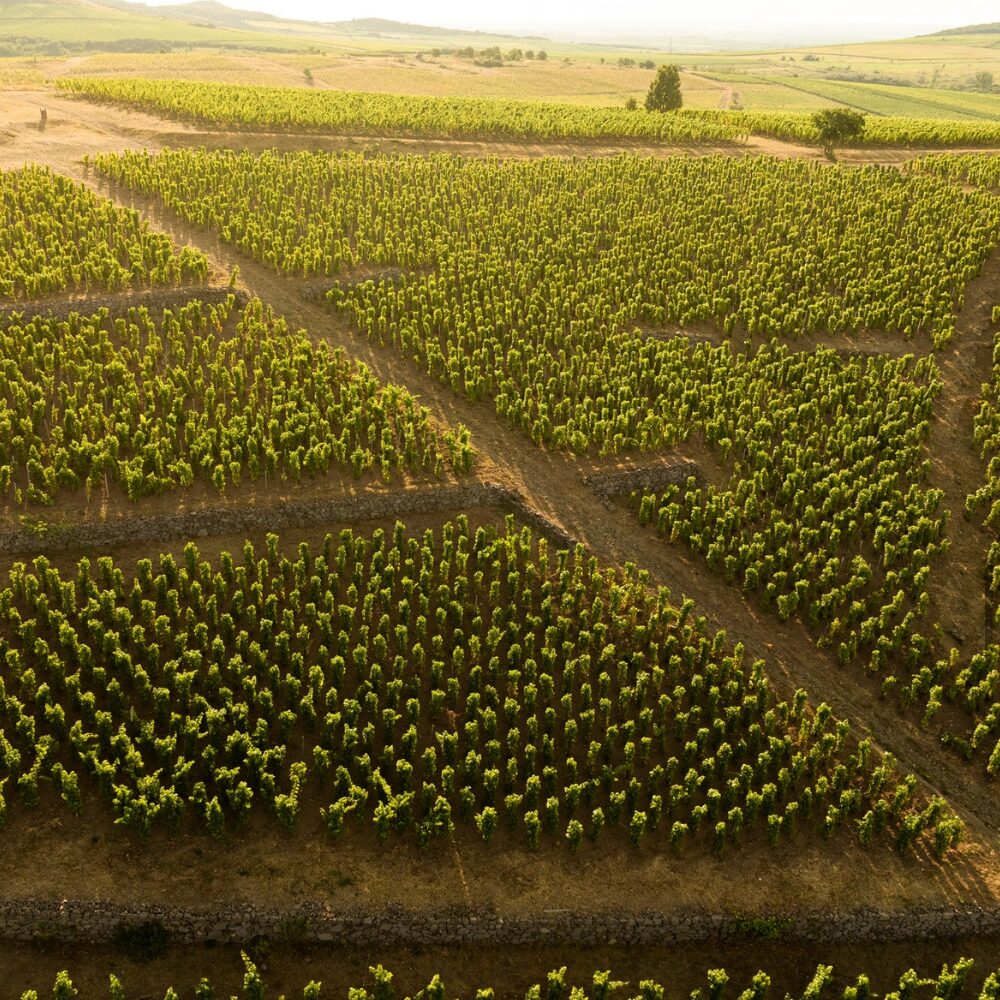
The grapes are grown on various hillside vineyards, the majority of which rise steeply above the village of Tolcsva in the heart of the Tokaj-Hegyalja appellation. They have excellent South and South-West exposure, and are close enough to the River Bodrog to benefit from the particular climatic conditions that generate noble rot. All the Oremus vineyards are classified ‘First Growth’, according to the historic Szirmay classification of 1803.
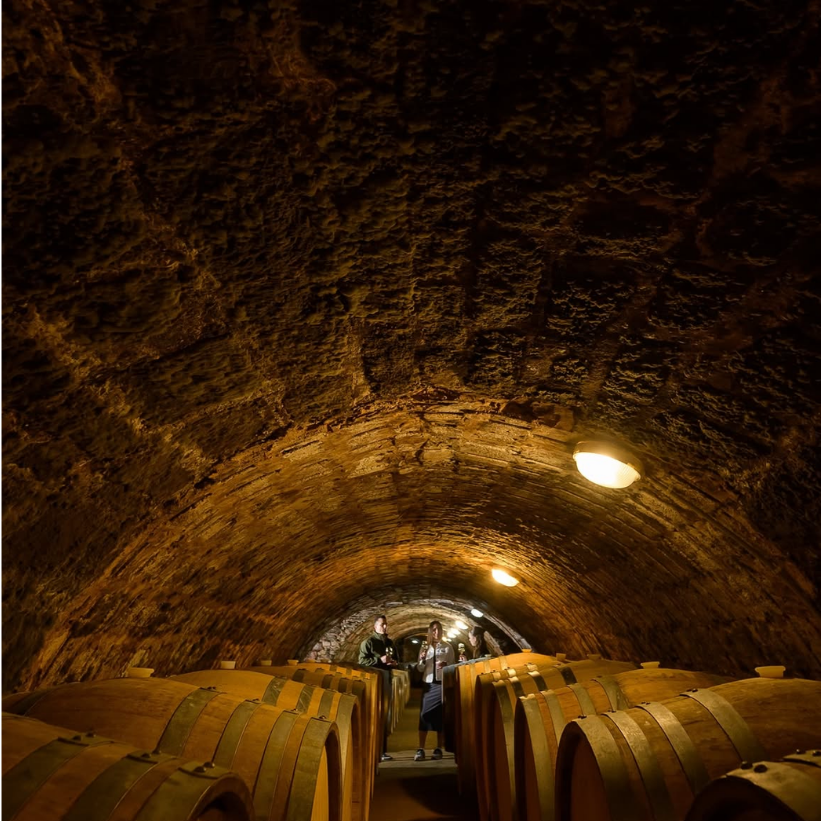
The cellars themselves are found under the village Tolcsva, in a labyrinth of hand-hewn cellars dating back to the 12th century. They also have access to more of these underground cellars in the neighbouring village of Erdobenye.
Soils
Oremus’ vineyards grow on volcanic tufa subsoil, with clay and stone topsoil in most plots, while others sit on loess soils, giving elegance, minerality, and structure.
Viticulture & Winemaking
Sustainable viticulture.
The Dry Furmint Mandolas is pressed directly then fermented in 136 litre Hungarian oak barrels, followed by 6-8 months ageing in the same barrels.
For the Late Harvest, grapes are picked when 40–50% show noble rot, concentrating sugars and developing botrytis complexity. Fermentation lasts nearly a month, followed by 6–8 months ageing in 136 ltire Hungarian oak casks.
For the Tokaji Aszú, individual botrytised grapes are added to vats of fermenting base wine to macerate. The volume of botrytised grapes added is measured in measured in “Puttony”, which is the Hungarian name for a harvesting pannier. One Puttony is equivalent to 23 kg and this is added to the fermenting base wine in proportions of 3 / 4 / 5 & 6 Puttony per 136 lires of fermenting base wine. After pressing, the mixture continues a slow fermentation before long oxidative ageing in cool, humid cellars.
The rare Eszencia is made from the tiny quantities of free-run juice from the puttonyos. With extremely high sugar levels, fermentation proceeds at a snail’s pace, producing a nectar of remarkable concentration, complexity, and elegance.